Delegate system ruling alone won’t end money politics – Barker-Vormawor
Private legal practitioner Oliver Barker-Vormawor has explained that the Supreme Court’s landmark ruling declaring the political parties’ delegate system unconstitutional in the selection of presidential and parliamentary candidates will not, by itself, eliminate money politics in Ghana.
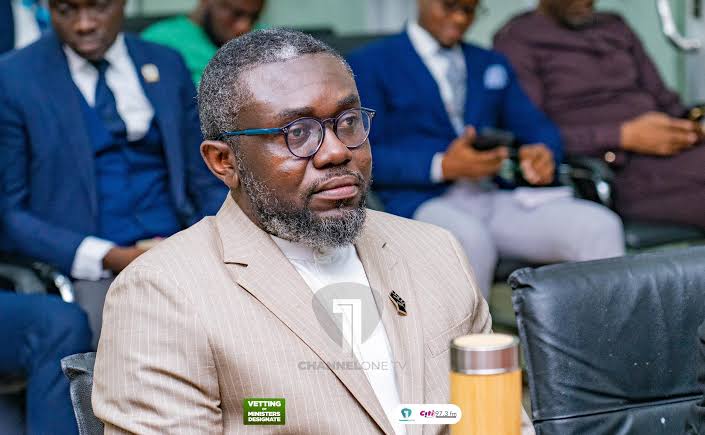
Private legal practitioner Oliver Barker-Vormawor has explained that the Supreme Court’s landmark ruling declaring the political parties’ delegate system unconstitutional in the selection of presidential and parliamentary candidates will not, by itself, eliminate money politics in Ghana.
According to him, the judgment should be viewed as one element of a broader package of political reforms needed to strengthen the country’s democracy.
“This judgment does not eliminate the monetization concerns of our politics. And if anybody says that it does so by one swoop, that would be overstating its effect,” he said on the Citi Breakfast Show on Thursday, July 30, 2026.
The Supreme Court, in a 5-2 majority decision, ruled that political parties’ delegate system for electing presidential and parliamentary candidates is unconstitutional and ordered parties to adopt a system that allows all members in good standing to vote directly in their primaries within one year.
Addressing concerns that expanding party primaries could increase campaign costs, Mr Vormawor argued that much of the current expenditure in internal elections stems from attempts to influence a relatively small pool of delegates rather than the logistics of conducting the polls.
“What CDD and others have been complaining about is not just the cost from a logistic point of view; a lot of that money goes into mechanisms that corrupt the processes of the election, rather than the election logistics.”
He said the hope is that reducing opportunities to target a small group of delegates would redirect spending away from practices that undermine the integrity of internal party elections.
However, he acknowledged that broader participation would still require careful consideration of the financial implications of organising nationwide primaries.
“We know there’s a real need for a political economy of if this was run, and we look at the cost only as a logistical question and not just as how much you have to pay individuals.”
Vormawor said the Supreme Court’s decision should be linked to wider electoral reforms, including campaign finance transparency, stronger internal party governance and measures to regulate election spending.
He suggested that Ghana could adopt reforms implemented in other democracies, including restricting campaign periods and regulating campaign materials such as posters.
“Some of the ideas, for instance, that the Constitution Review Committee proposed around limiting the calendar for elections, what kind of things that can be spent on in an election cycle are all things that many democracies have legislated on.”
He stressed that the judgment should not be viewed as a complete solution to the country’s electoral challenges.
“I think there’s a judgment that we have to view as only one part of the reform agenda, but that campaign finance transparency, internal party governance mechanisms all remain important about how we sanitise the process.”
Oliver Vormawor said achieving the full benefits of the ruling would require deliberate efforts to connect it to a broader programme of democratic reforms.
“The only way we can get this right is if we are intentional about connecting the decision to a wider reform programme. Leaving it as it is perhaps, might not achieve the results we hope it achieves.”
CitiNewsRoom