“We Took Loans As Though We Were Insane” — Dr. Atuahene Warns Ghana Must Embrace Fiscal Discipline
By Maurice Otoo
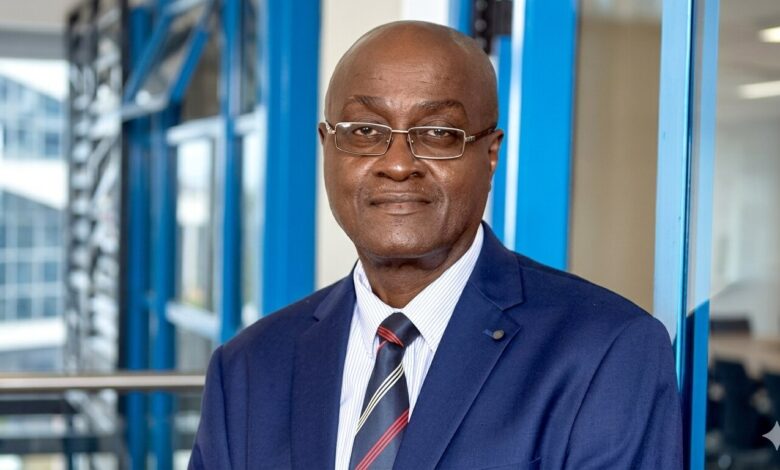
Economic policy analyst Dr. Richmond Atuahene has delivered a scathing assessment of Ghana’s economic management over the years, warning that reckless borrowing and weak fiscal discipline nearly crippled the country’s economy.
Speaking on Ghana’s economic recovery and the International Monetary Fund (IMF) program via a Zoom interview on Kessben TV’s Maakye show in Accra, Dr. Atuahene said Ghana accumulated loans “as though we were mad or insane,” stressing that the country must now adopt strict fiscal discipline to restore economic stability.
According to him, the IMF’s Policy Coordination Instrument (PCI) program is a checklist that assesses how countries manage their economies over three years, and he added that Ghana must take the program seriously if it hopes to rebuild investor confidence and economic independence. “We need fiscal discipline to strengthen the economy,” he stressed.
Dr. Atuahene expressed concern over the management of State-Owned Enterprises (SOEs), urging the government to remain vigilant and ensure transparency and accountability in state institutions. He noted that the government spent $8 billion over the past eight years to sustain the Electricity Company of Ghana (ECG).
He also lamented the collapse and struggles of several indigenous financial institutions, including GN Bank under the New Patriotic Party (NPP) administration, arguing that many local financial entities were destroyed during the financial sector clean-up and have yet to recover their capital.
The economist further criticized what he described as loss-making operations within key state institutions, including ECG, Ghana Water Company, State Transport Company (STC), and COCOBOD, insisting that many of these entities were “running at a loss instead of making a profit.”
On the IMF program, he explained that the fund is providing Ghana with economic models and monitoring systems to help the country remain disciplined and competitive. “The IMF would periodically assess whether we are complying with the agreed objectives,” he noted.
Dr. Atuahene also called on the government to create an enabling environment for the private sector to thrive and employ more people, insisting that sustainable growth cannot be driven by the public sector alone.
Touching on public spending, he questioned the government’s decision to purchase buses for the State Transport Corporation (STC), arguing that the company should be profitable enough to acquire its own fleet without relying on state intervention.
He further raised concerns that the establishment of the Amalgamated Bank by previous governments to support struggling financial institutions failed to achieve its intended purpose. Dr. Atuahene concluded by urging the government to deepen Public-Private Partnership (PPP) arrangements to help sustain the economy amid growing global economic and geopolitical pressures.