PAC Chair demands urgent parliamentary probe into Bank of Ghana finances
The Chairperson of the Public Account Committee Abena Osei-Asare has called for urgent parliamentary scrutiny of the Bank of Ghana’s finances, demanding briefings from key economic officials over what she describes as deepening losses and rising fiscal risks at the central bank.
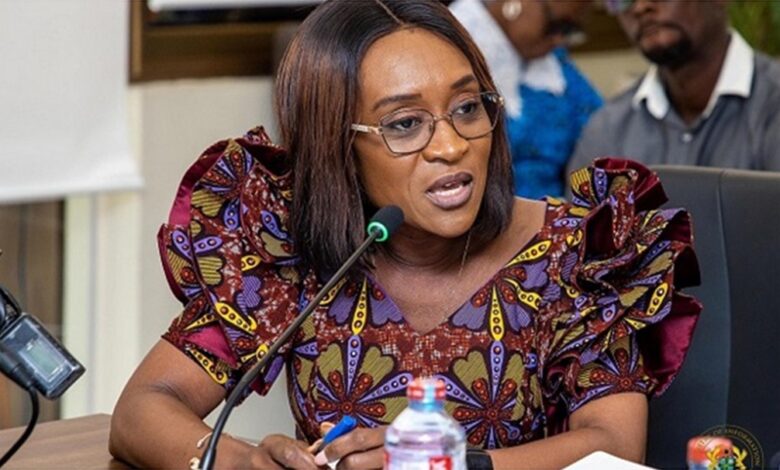
The Chairperson of the Public Account Committee Abena Osei-Asare has called for urgent parliamentary scrutiny of the Bank of Ghana’s finances, demanding briefings from key economic officials over what she describes as deepening losses and rising fiscal risks at the central bank.
n a detailed Facebook post, Osei-Asare said she was requesting “urgent briefings before the Parliamentary Finance, Economy and Public Accounts Committees by the Governor, Minister for Finance, external auditors and relevant BoG directors.”
She also called for disclosure of the full implications of the central bank’s accounting practices, stating that “the full costs to the Bank of Ghana arising from its departure from International Financial Reporting Standards must be disclosed to Parliament and the public.”
The lawmaker further demanded publication of the recapitalisation framework, including any associated fiscal commitments.
“I demand publication of the full recapitalisation MoU and the fiscal implications of any bonds, cash injections or write-offs,” she said.
Osei-Asare also called for an independent review of gold-related transactions and related policy measures, adding that Parliament must be fully informed of the costs of financial interventions undertaken by the central bank.
Her comments come amid renewed debate over the Bank of Ghana’s 2025 financial results, which show a loss of 15.63 billion cedis compared with 9.49 billion cedis in 2024, and negative equity widening to 93.82 billion cedis from 58.62 billion cedis a year earlier.
She said the reported figures “do not reflect underlying stability,” arguing that the central bank’s position has been supported by asset liquidation, particularly gold sales.
“The Bank is increasingly relying on gold sales to contain financial deterioration,” she said, adding that without such disposals, losses would have been significantly higher.
Osei-Asare also criticised what she described as policy contradictions between past gold sales and a proposed large-scale gold purchase programme aimed at rebuilding reserves.
“You cannot liquidate assets to cover losses and call it stability — and then propose a quarter of a trillion-cedi programme to rebuild the same reserves,” she said.
AsaaseRadio