Dr. Wemakor urges inclusive press freedom ahead of RightsCon 2026
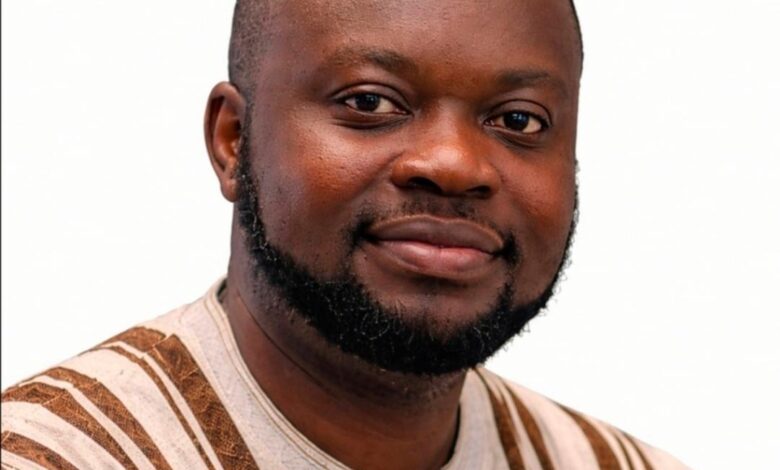
Renowned Ghanaian human rights advocate, journalist, and development communicator, Dr. Joseph Kobla Wemakor, has called for urgent and deliberate action to safeguard press freedom while promoting the inclusion of persons with disabilities across Africa’s media and civic spaces.
Speaking during an interview on Africa In Perspective, a programme aired on Lagos-based Radio Now 95.7 FM on April 22, 2026, Dr. Wemakor expressed concern that the steady decline in press freedom across parts of the continent is widening inequalities and further silencing marginalised communities.
His comments come ahead of a major high-level dialogue session to be hosted by Human Rights Reporters Ghana (HRRG) at the upcoming RightsCon 2026 summit in Lusaka, Zambia.
The session, slated for May 6, 2026, will focus on the theme: “Silenced Twice: Press Freedom and Disability Voices Under Threat in Africa.”
Dr. Wemakor who is also the founder and executive director of Human Rights Reporters Ghana (HRRG), a dynamic media advocacy and human rights NGO, explained that the dialogue will examine the intersection between shrinking media freedoms, disability exclusion, and limited civic space, highlighting how these challenges reinforce one another.
“The media remains a critical tool for accountability and truth,” he said. “But when press freedom is weakened, its impact is felt most by those who are already marginalised—especially persons with disabilities.”
He noted that persons with disabilities often face systemic barriers such as stigma, discrimination, and restricted access to platforms that amplify their voices, making them particularly vulnerable when media freedoms are curtailed.
“When press freedom is under threat, their stories are often the first to disappear,” he added.
The RightsCon summit, organised by Access Now, is a globally recognised platform that brings together stakeholders from across sectors to shape conversations on digital rights, technology, and human rights.
The HRRG-led session will also be held alongside the World Press Freedom Day 2026 Global Conference convened by UNESCO in collaboration with the Government of Zambia.
According to Dr. Wemakor, the dialogue will bring together journalists, policymakers, civil society organisations, disability rights advocates, and other experts to identify practical solutions to these pressing challenges.
He called on African governments to strengthen protections for journalists, repeal laws that criminalise legitimate reporting, and ensure accountability for attacks against media professionals.
Dr. Wemakor also urged media organisations to prioritise inclusion by recruiting journalists with disabilities and making content more accessible through captioning, sign language interpretation, and assistive technologies.
“Addressing these challenges requires a collective effort,” he stressed.
“Governments, media institutions, civil society, and international partners must work together to build an inclusive and rights-based digital future.”
He further appealed to African countries to ratify the African Disability Protocol as a crucial step toward protecting the rights of persons with disabilities and tackling discrimination.
As preparations intensify for RightsCon 2026, Dr. Wemakor emphasised that the fight for press freedom must go beyond protecting journalists to ensuring that no voice—especially those most often unheard—is left behind.