World Bank ranks Ghana cedi worst African currency in second quarter amid geopolitical turmoil
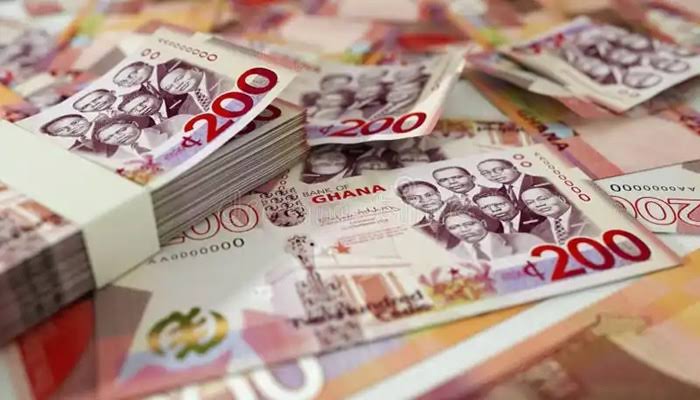
The Ghanaian cedi recorded the sharpest decline among African currencies during the second quarter of 2026, according to data cited in the World Bank’s October Africa Economic Update. The currency lost nearly 10 percent of its value against the US dollar between March and June, as escalating conflicts in the Middle East intensified pressure on regional financial markets.
Several African currencies also weakened sharply as geopolitical tensions escalated. The Lesotho loti, Namibian dollar, South African rand and Eswatini lilangeni each declined by more than 6 percent during the period.
The World Bank said the sell-off was evident across much of the region following the escalation of the conflict.
“Most countries with available daily exchange rate data recorded currency depreciations during the second quarter of 2026 relative to end-February, before the conflict intensified,” the institution stated.
It added that in seven of the 22 countries monitored, excluding the CFA franc zone, maximum currency depreciation exceeded 5 percent. Those countries included the Democratic Republic of Congo, Ghana, Seychelles and South Africa.
Market Pressure Eases
Currency markets showed signs of stabilization toward the end of the third quarter. By the end of August, much of the depreciation pressure had eased, with only 10 currencies still trading below their end-February levels, according to the World Bank.
Economic Vulnerabilities and External Shocks
Several structural weaknesses amplified the impact of the global turmoil on developing economies. Rising oil and energy prices increased import costs for net energy-importing countries, boosting demand for US dollars, putting pressure on foreign-exchange reserves and contributing to further currency depreciation.
At the same time, heightened geopolitical uncertainty pushed international investors toward safer assets. Capital outflows from frontier and emerging markets increased as global risk aversion strengthened.
Disruptions to supply chains in the Middle East also contributed to higher prices for key agricultural inputs, particularly fertilizer, adding to imported inflationary pressures in vulnerable economies.
Weaker currencies further increased fiscal challenges for countries with significant foreign-currency debt. As local currencies lost value, governments faced higher domestic costs when servicing dollar-denominated obligations.
Recent Cedi Performance
Recent foreign-exchange market movements indicate that the cedi has continued to face pressure against the US dollar, with its cumulative year-to-date decline recently exceeding 10 percent.
Interbank market data showed the cedi trading at 11.62 to the dollar after losing nearly 1.4 percent over the week. Its performance against other major currencies was mixed, however, with the cedi gaining ground against the British pound and euro in wholesale trading, where it traded at about 15.40 and 13.24 cedis respectively.
Retail foreign-exchange rates reflected a similar pattern. The cedi strengthened slightly against the dollar and euro, trading at approximately 11.93 and 13.73 cedis respectively, while it remained weaker against the pound at about 15.88 cedis.
Ghana’s Growth Outlook Remains Steady
Despite the currency pressures, the World Bank maintained its projection for Ghana’s economic growth at 4.8 percent for 2026 in its October update.
The projection reflects continued domestic economic activity, rapid disinflation and improving investor confidence following progress under Ghana’s debt restructuring programme. The outlook suggests that, although foreign-exchange pressures may require careful monetary policy management, underlying economic activity remains relatively resilient.
Policy Challenges
The latest developments highlight the vulnerability of emerging and developing economies to external shocks, particularly geopolitical conflicts, commodity-price swings and tighter global financial conditions.
For Ghana and other economies across the region, maintaining macroeconomic stability, strengthening foreign-exchange buffers and improving structural resilience will remain critical as policymakers navigate continued uncertainty in global markets.