Mahama urges shift from aid dependency to “health sovereignty” at World Health Assembly
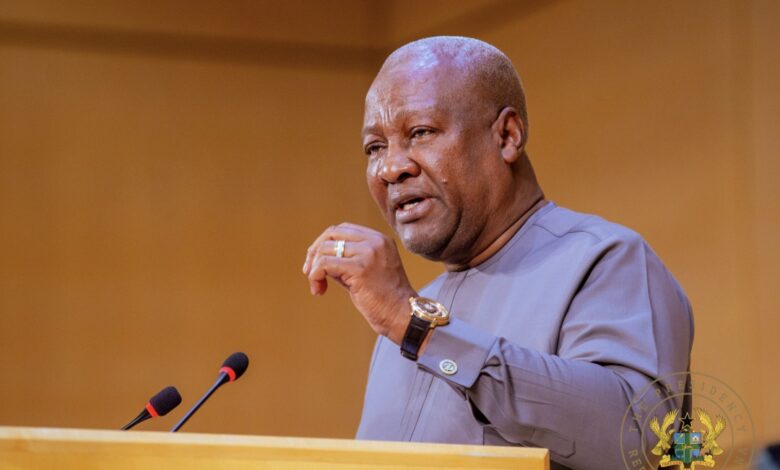
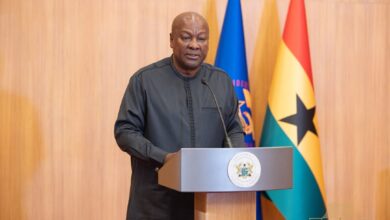
President John Dramani Mahama has called for a major restructuring of the global health system, urging countries to move away from long-standing aid dependency toward what he described as “health sovereignty,” during an address at the 79th World Health Assembly (WHA).
Speaking before global health leaders, ministers, and delegates in Geneva, Mahama said the international health architecture is facing growing strain amid shifting geopolitics, declining development assistance, and increasing fragmentation among global health institutions.
He warned that reductions in overseas development assistance and recent funding cuts to major health programmes were already affecting essential services in many low- and middle-income countries, particularly in areas such as malaria control, HIV/AIDS treatment, maternal and child health, and nutrition.
According to him, these changes risk undermining progress made over the past decades in global health, with potential long-term consequences for health outcomes and economic stability across Africa.
Mahama said the current model of global health financing, which relies heavily on external support, is no longer sustainable. “We are witnessing the end of an era,” he said, adding that countries must now focus on building systems capable of financing and delivering healthcare independently.
He argued that global health institutions, while numerous, often operate in fragmented and uncoordinated ways that place additional burdens on national health systems. This, he said, leads to inefficiencies at the country level, particularly in resource-constrained settings.
Despite the challenges, Mahama said the moment presents an opportunity to redesign global health cooperation around national ownership and stronger regional capacity.
He pointed to Ghana’s domestic health reforms as an example of this approach, including the expansion of the National Health Insurance Scheme (NHIS), the introduction of free primary healthcare services in underserved communities, and the use of digital systems and artificial intelligence to improve efficiency and reduce fraud.
He also highlighted the establishment of a national health fund targeting non-communicable diseases such as cancer, cardiovascular disease, liver disease, and kidney failure, describing it as part of efforts to ensure equitable access to high-cost care.
On immunisation financing, Mahama said Ghana is working toward reducing reliance on external vaccine funding, including support from Gavi, by 2030, as part of a broader strategy to strengthen domestic health financing.
A central theme of his address was the need for reform of global health governance. He called for improved coordination among institutions such as the World Health Organization (WHO), Gavi, and the Global Fund to avoid duplication and ensure better alignment with national priorities.
Mahama also backed the Accra Reset initiative, which seeks to strengthen health systems in Africa through increased local manufacturing of medicines and vaccines, improved financing mechanisms, and enhanced regional coordination.
He urged delegates to ensure that any reform process leads to tangible structural change rather than symbolic adjustments. “We cannot prioritise institutional comfort over human survival,” he said.
The WHA meeting comes amid ongoing debate over the future of global health financing and the effectiveness of current international health institutions in addressing evolving global challenges.
Mahama concluded by calling for success in global health to be measured by real-world outcomes rather than policy declarations, emphasizing that the ultimate benchmark should be improved survival and access to care for people in low-income countries.