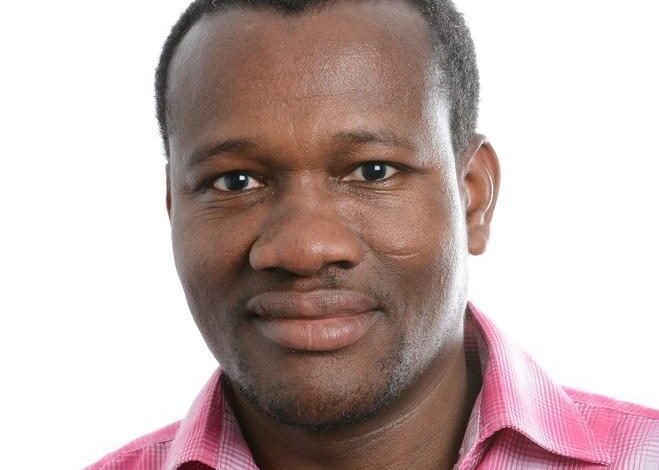
An international affairs and diplomacy expert, Prof. Daniel Kipo Dramani Sunyehzi, has called on the Government of Ghana to reject a proposed health-related agreement with the United States, citing concerns over national security and the protection of citizens’ sensitive data.
According to the expert, Ghana, as a sovereign state, has the full right to safeguard its citizens from any external policy that could compromise their security, regardless of the country involved. Speaking on Kessben TV’s Digest show, he emphasized that decisions involving national data, particularly health information
, must be handled with utmost caution.
Prof. Sunyehzi argued that health data is highly sensitive and should not be exposed to third parties under any circumstances. He warned that sharing such information could pose significant risks, including potential misuse that may threaten the nation’s long-term security.
He further noted that while Ghana’s diplomatic engagements and bilateral agreements with countries like the United States are strategic and important, they should not come at the expense of citizens’ safety. “The security of Ghanaians must remain a priority, and no agreement should undermine that,” he stressed.
The expert also dismissed suggestions that parliamentary approval is necessary before rejecting such a deal, explaining that the executive arm of government has the authority to make decisions on foreign policy matters through the Ministry of Foreign Affairs.
While acknowledging the importance of foreign aid, Prof. Sunyehzi maintained that Ghana must not exchange its citizens’ health data for financial or developmental support. Instead, he proposed that authorities explore renegotiation options to address contentious aspects of the agreement while still securing needed assistance to improve the health sector.
He added that biological samples, including blood data, could have broader security implications if mishandled, warning that access to critical genetic information could potentially be exploited in harmful ways.
Prof. Sunyehzi commended the government for making its position public and urged leaders to remain firm in protecting national interests. “We cannot give everything we own away,” he concluded.