Child Rights International has called for tougher action against individuals implicated in criminal misconduct in Ghanaian schools, raising concerns about the use of administrative sanctions in cases that may warrant criminal investigation and prosecution.
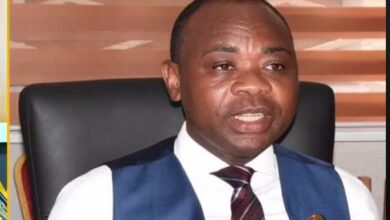
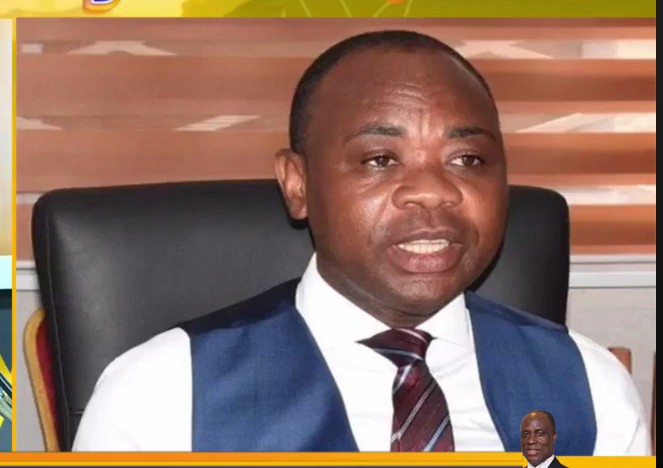
In an interview with the Executive Director of Child Right International, Bright Appiah, on Kessben Maakye show in Accra, he insisted that the current approach to handling serious misconduct within educational institutions is inadequate and requires urgent reform to protect students.
His concerns follow controversies surrounding the Obuase Senior High Technical School exposé in headmaster Zakaria Abdulai, which have generated questions about accountability and the protection of students.
In a statement, he questioned the handling of allegations arising from the Obuase exposé, particularly the reported decision to interdict the headmaster involved.
According to him, the GES report did not treat the headmaster’s alleged activities as criminal conduct but instead resulted in an administrative response.
He argued that where allegations disclose potential criminal offences, authorities must ensure that the matters are referred for appropriate criminal investigation rather than being handled exclusively through internal disciplinary processes.
He maintained that administrative sanctions should not replace criminal accountability where evidence establishes that an offence has been committed.
Appiah’s position raises broader concerns about how educational authorities distinguish between professional misconduct and alleged criminal behaviour.
The Child Right official proposed strengthening the legal authority and institutional capacity of bodies responsible for investigating misconduct involving schoolchildren.
He suggested that the relevant unit within the Ghana Education Service should be empowered to pursue criminal accountability against individuals who commit offences against students.
Under Ghana’s existing legal framework, criminal investigations and prosecutions involve the police and constitutionally authorised prosecuting authorities. Any expansion of GES powers would therefore require appropriate legal arrangements.
He also called for stronger cooperation between schools, social welfare professionals and law enforcement agencies.
He reiterated that allegations involving criminal activities should be promptly referred to the appropriate institutions instead of being left solely to internal GES processes.
Touching on the Zakaria controversy, Appiah suggested that the situation might have been handled differently if stronger safeguarding policies and institutional accountability measures had been in place.
He believes that the absence of effective protective structures can create situations in which students are exposed to harm or treated unfairly.
He therefore called for preventive mechanisms that would allow schools to identify potential threats, respond appropriately to complaints and protect students from victimisation.
The Child Rights International official further warned against situations in which the interests of educational institutions appear to outweigh the rights of affected students.
He warned that children who report misconduct should receive protection rather than punishment, intimidation or treatment that discourages others from speaking out.
Appiah maintained that accountability must extend beyond disciplinary sanctions where allegations involve possible criminal offences.
He also urged authorities to establish comprehensive safeguarding policies that clearly define how schools should respond to abuse, misconduct and other threats to student welfare.
The organisation’s demands have brought renewed attention to a critical question facing Ghana’s education sector: Should school authorities accused of criminal wrongdoing face prosecution rather than merely administrative sanctions?
As the debate continues, the Ghana Education Service and relevant state institutions face calls to strengthen accountability and ensure that allegations involving students are handled through appropriate legal and child protection procedures.