Child Rights International has raised serious concerns over the safety and welfare of students in Ghanaian schools, questioning the ability of the Ghana Education Service (GES) to adequately protect children from abuse, victimisation and institutional misconduct.
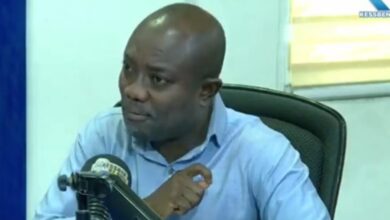
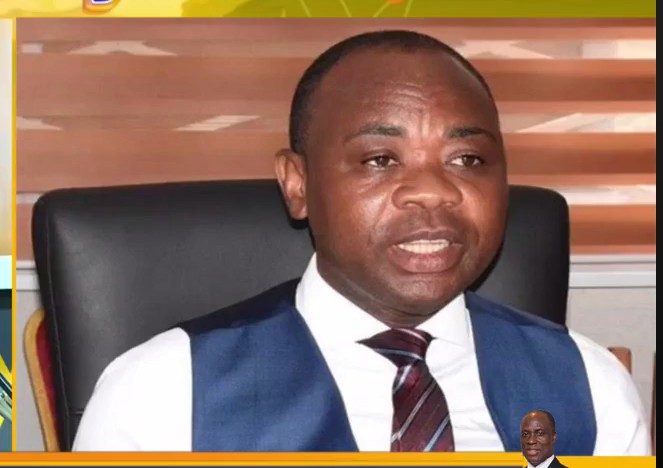
Speaking about the recent Obuase Senior High School exposè involving headmaster Zakaria Abdulai on Kessben Maakye show in Accra, the Executive Director of Child Right International, Bright Appiah argued that the existing structures within Ghana’s educational system are not sufficiently equipped to guarantee the safety and security of schoolchildren.
According to him, schools must provide safe and supportive environments where children can learn, develop and pursue their future ambitions without fear of intimidation, abuse or discrimination.
However, the organisation believes that serious gaps in the country’s educational governance and child protection mechanisms continue to expose students to unnecessary risks.
In his criticism of the current system, Appiah questioned the effectiveness of the Ghana Education Service’s code of conduct.
He argued that the existing framework appears to offer greater protection to teachers and educational institutions than to students.
He maintained that such an imbalance could undermine efforts to safeguard children, particularly when allegations of misconduct involve school authorities.
The Child Right official further expressed concern about situations in which students who have suffered victimisation are allegedly subjected to disciplinary measures rather than receiving protection and support.
According to him, this approach risks discouraging students from reporting abuse and other forms of misconduct.
He stressed that protecting the reputation of schools should never take precedence over the rights, dignity and safety of children.
As part of his proposed reforms, he called for the recruitment and deployment of dedicated social welfare officers to schools across Ghana.
He believes that trained welfare professionals would provide an additional layer of protection for students, particularly those facing abuse, intimidation and other challenges.
These officers, he suggested, could help identify vulnerable children, facilitate the reporting of misconduct and ensure that affected students receive appropriate assistance.
He also emphasised the need to strengthen referral systems within schools to ensure that suspected criminal activities involving children are promptly brought to the attention of relevant authorities.
Bright Appiah further called for comprehensive safeguarding policies comparable to those adopted in countries with more developed child protection systems.
He argued that clear reporting procedures, institutional accountability and effective monitoring mechanisms would help create safer learning environments.
He also maintained that protecting children must be treated as a fundamental responsibility of every educational institution.
His concerns have renewed questions about whether Ghana’s current educational policies provide adequate protection for students.
As calls for reforms intensify, attention is turning to how the Ghana Education Service and other relevant authorities will address the concerns and strengthen safeguards for children across the country.