Save The Mining Communities-Ghana Faces Bank Account Hurdle Despite Field Success in the Eastern Region
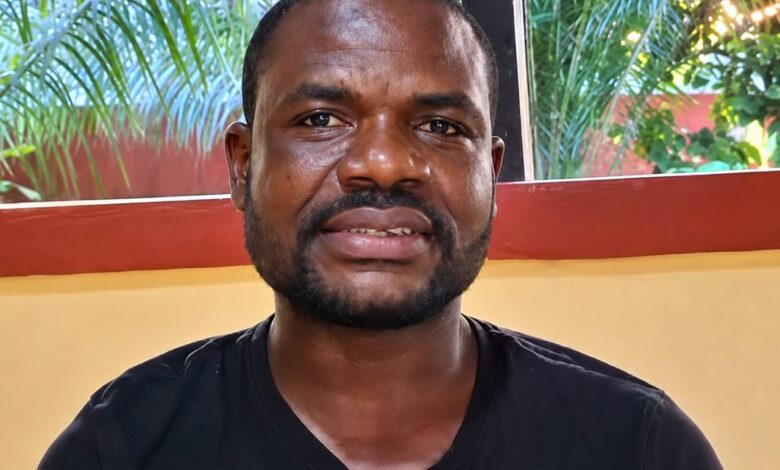
Founder Andrews Kwame Perprem says the NGO has profiled abandoned galamsey pits, sent students back to school, but lacks a social welfare license to access funding.
Four months after its official launch in February 2026, Save The Mining Communities-Ghana says it is making steady progress on the ground but is being held back by regulatory delays that have left it without a working bank account.
Founder and program lead Andrews Kwame Perprem said the NGO has grown from having no permanent staff to now employing three permanent staff and eight field coordinators across mining communities in the Eastern Region.
“We were working before we did the launch, but then we were not having permanent staff. As it stands now, we have at least three permanent staff with a coordinator, one ‘big one’ – our regional coordinator – and then we have field coordinators for specific communities,” Perprem said.
Profiling Abandoned Pits + Getting Students Back to School
Perprem said the team has focused on documenting the damage environment and supporting youth:
“We have been able to profile a lot of abandoned pits in the Eastern Region. We have it in Agyapoma, in Boate, Asaman -Tanfoe, Kyebi, and also at Asikam. Within that enclave we have profiled these abandoned pits, and we are working on funding to be able to fill them up and reclaim the land.”
On education, he added: “Just currently at the BECE, we were able to fund some of our students. Thank God, some of them wrote the BECE recently, and we were able to fund for their meals and transportation to the centers. We are still doing outreach programs, going to galamsey sites, speaking with young people, giving them education, writing down their names. So yeah, we are actively working. We are really working.”
Next Step: Expand to Ashanti and the Western Regions
Perprem said the NGO’s vision is to take the “Save The Mining Community” model nationwide.
“Our main challenge now is the opening of our bank account. We do not have any working bank account because our license from Social Welfare has not been granted to us. We’ve worked on it for the past four months and we still do not have it. Money has been paid, a lot of follow-ups, but we still do not have it.”
He explained the impact: “When you do not have it, you cannot open a bank account. If you cannot operate an account, then it is very, very difficult to get funding. A lot of organizations we’ve reached out to, both international and local, all of them want to deal with us through the bank. That is our greatest challenge.”
Once the social welfare license is secured, Perprem said expansion is ready: “After getting the social license, we will be able to extend our work to other regions. From the Eastern Region, we will go to Ashanti Region, and then to the Western Regions. We’ve started working with people from the target communities in the Ashanti Region already. But this can only be possible when we have an operating account, because it is cost intensive.”
“Bureaucracy Becomes an Obstacle to Development”
Asked about the cause of the delay, Perprem said he still does not have a clear answer.
“As I speak with you now, I do not know. I have been to the office formally. It was the community development officer in charge, and he has not been able to work on it. It came, he said the father was dead. It was one story to the other. Now it is with the regional deputy director. He promised of getting it done for me.”
Perprem voiced frustration shared by many in Ghana’s development sector: “In Ghana, most of our challenges have always been like this. It is sometimes very, very difficult to provide social intervention to people that really need them because of regulatory setbacks. You want to help people, and they know you want to help, it is their job, but sometimes you just can’t fathom it. I get emotional when I get there, because it’s like you want to help people, the people are being paid to do their job, but they become obstacles to development. It’s so crazy, but this is where we find ourselves.”
Save The Mining Communities Ghana was launched in February 2026 to reclaim abandoned galamsey lands, support affected youth with education and skills training, and promote sustainable community mining through Environment, Social and Governance standards.