ECOWAS Court Dismisses Gertrude Torkornoo’s Suit Against Ghana, Rejects $10M Damages Claim
Regional court rules Ghana did not violate former Chief Justice’s rights under African Charter
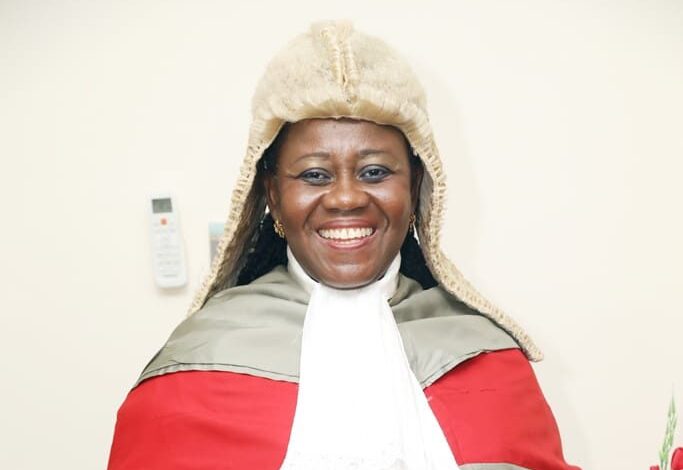
The ECOWAS Community Court of Justice has dismissed all seven claims filed by former Chief Justice Gertrude Torkornoo against the Republic of Ghana, bringing an end to her legal challenge over suspension and removal from office.
According to Deputy Attorney-General and Minister for Justice, Justice Srem-Sai, the regional court ruled that Ghana did not violate any of the rights cited by the former Chief Justice under the African Charter on Human and Peoples’ Rights.
Court rejects rights violation claims
Justice Torkornoo had filed the suit at the ECOWAS Court after her suspension and subsequent removal from office, alleging that the process infringed on her fundamental rights. She sought a declaration that Ghana acted unlawfully and requested $10 million in damages for the alleged violations.
In a Facebook post on Wednesday, June 24, Justice Srem-Sai disclosed the court’s decision. Quoting the ruling, he stated: “In light of the Court’s conclusions that Ghana has not violated any of the Applicant’s rights under the African Charter as alleged, the Court makes no decision on reparations.
” The rejection of the damages claim means the court found no basis for compensation.
End of ECOWAS legal route
With all seven claims dismissed, the ruling effectively brings an end to the claims pursued by Justice Torkornoo before the ECOWAS Community Court. The case had drawn national attention as one of the most high-profile judicial challenges in recent years, testing Ghana’s constitutional processes for removing a Chief Justice.
Justice Torkornoo served as Ghana’s first female Chief Justice before her suspension. She later petitioned the ECOWAS Court arguing that her removal violated due process and fair hearing rights guaranteed under the African Charter.
Government response
Deputy Attorney-General Justice Srem-Sai commended the legal team that represented Ghana, particularly the state attorneys who worked on the case. He said their arguments persuaded the court that Ghana’s actions were consistent with the Constitution and regional human rights obligations.The decision is expected to close this chapter of the dispute, though it does not prevent further domestic legal discussions about judicial independence and removal processes.