Ghana’s Exit from IMF Program a “Good News” for Economy, Says Importers and Exporters Association Leader
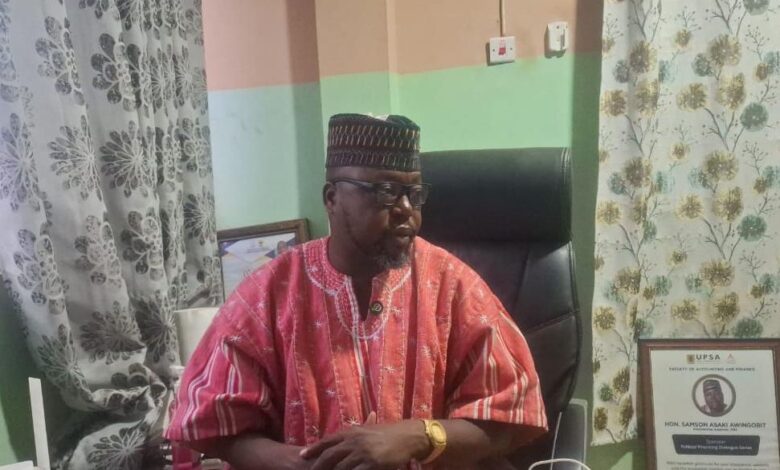
Ghana’s exit from the International Monetary Fund’s $3 billion Extended Credit Facility has been welcomed as a positive turn for the economy, with business leaders crediting prudent fiscal management for the milestone.
Samson Asaki Awingobit, Executive Secretary of the Importers and Exporters Association of Ghana, said the development reflects improved economic stability and fiscal discipline under President John Dramani Mahama’s administration.
“It’s absolutely good news for Ghanaians, good news for the Ghanaian economy as well, and good news for the government himself,” Awingobit said.
From bailout to technical assistance
Ghana entered the IMF program in 2023 to address macroeconomic imbalances, high debt, and fiscal pressures. The program came with strict conditions that Awingobit said imposed “very painful decisions” on citizens.
He cited cuts to public spending and the Domestic Debt Exchange Program, which delayed payments on bonds and coupons. “You saw for the first time in history that Ghanaian pensioners had to go to the Finance Ministry to demonstrate, simply because they needed even their capital to buy their own medicines,” he said. “That led to the death of several Ghanaians, including the gamma industry owner, which is very painful, just for $3 billion.”
Awingobit also questioned the visible impact of the funds under the previous administration. “Upon all that, the previous government couldn’t show us evidently what they have taken that $3 billion to do for Ghanaians,” he said.
President Mahama’s government inherited the program in January 2025 and worked to meet IMF benchmarks. Awingobit said the Finance Minister faced internal pressure for holding back spending.
“He was managing it prudently to make sure that he met all the IMF policy guidelines and also grew the economy,” he said. “If today they are saying that we are out of IMF, we are only asking for technical assistance, I think it’s in the right direction for the growth of this country.”
Economic indicators improving
Awingobit pointed to macroeconomic gains as evidence of progress. He said Ghana’s GDP had reached about $118 billion before the end of 2026, with inflation dropping to 3.2%.
“People might say that we are not feeling the inflation, or we are not eating inflation, but investors consider all those things before coming to invest into the country,” he said. “That’s the good thing that we are going to have.”
He added that the government now has “the best economic stability, we have the best cedi stability,” and stressed that fiscal discipline must continue.
“The government will not be free to spend haphazardly and not respect the fiscal policy that says you can’t spend more than 5% of your revenue that you feel,” he said. “I think we have a very good Finance Minister.”
Credit to Finance Minister Ato Forson
Awingobit singled out Finance Minister Dr. Cassiel Ato Forson for praise, saying his management had earned recognition even among peers.
“When I met them, there were a lot of African finance ministers there, but at the end of the day, our Finance Minister stood out in every submission that he made,” he said. “I believe that he should stay back and help President Mahama to finish his agenda.”
He expressed concern that political pressure ahead of the next NDC leadership race could pull the minister into a presidential contest, potentially leaving the finance portfolio in less experienced hands.
“My fear is that if the Finance Minister is tempted to go out to contest the election, and we have a bad Finance Minister replacing him, we might have to blame ourselves,” Awingobit said. “Test, and we did not get a minister like Ato Forson — where do you go from here?”
Looking ahead
Awingobit said he expects President Mahama to maintain high standards in future appointments.
“I believe President Mahama is focused, and I believe whoever he will say to come replace Ato Forson, he has built a certain pedestal that if you cannot go higher than it, you should have to stay there,” he said. “That is what I look forward to see from President Mahama’s next line of government appointment.”
Ghana’s exit from the IMF program marks the end of a three-year arrangement that required fiscal consolidation, debt restructuring, and structural reforms. The government has indicated it will now rely on IMF technical assistance rather than financial support.