“Old Legal Education System Was Designed to Block People” — Lawyer Backs New Reform Act
By Maurice Otoo
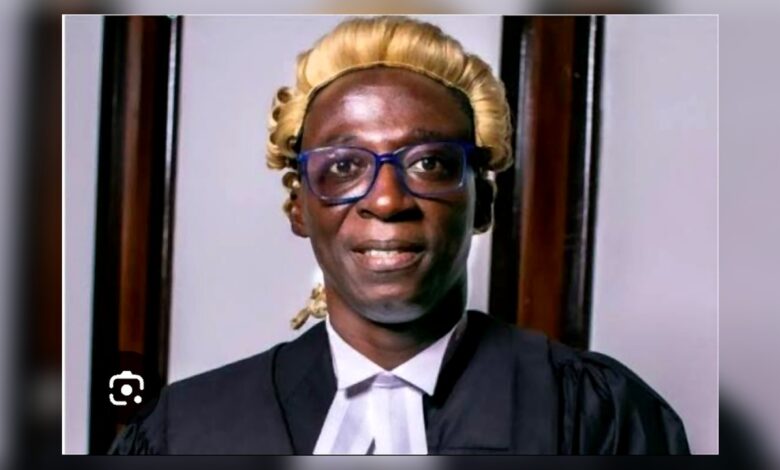
Private legal practitioner Austin Kwabena Brako has thrown his support behind Ghana’s new Legal Education Reform Act, describing it as a major step toward expanding access to legal education and ending years of alleged unfairness within the country’s legal training system.
Speaking on the new reforms at the “Punch” show on Kessben TV, Lawyer Brako said the initiative would open opportunities for many Ghanaians who have long aspired to study law but have been frustrated by limitations in the existing structure.
According to him, the long-standing monopoly of the Ghana School of Law created several challenges, including what he described as “weird means” of determining who passes and qualifies to become a lawyer.
He noted that public agitation over the years forced authorities to broaden the scope of legal education to address concerns about accessibility and transparency.
“The new Legal Education Reform Act is a good initiative that will help the nation and create opportunities for people who want to study law,” he stated.
Lawyer Brako further argued that the reforms would significantly reduce the number of Ghanaian students traveling to countries such as The Gambia and Rwanda to pursue legal education at great financial cost.
He, however, cautioned that the policy’s success would depend largely on changing the mindset of those who managed the previous system.
“If we don’t change the old brains behind the old system of legal education in Ghana, it will negate the implementation of the new policy,” he warned.
The legal practitioner also stressed the importance of making legal education more accessible to ordinary citizens, insisting that a broader understanding of the law would help reduce lawlessness and illegal activities in society.
He claimed some individuals within the old system feared increased competition, especially from students from less privileged backgrounds.
“The old guys are afraid of the competition the poor would give to their children,” he alleged.