Congo’s 82-year-old leader Sassou-N’Guesso sworn in to fifth presidential term
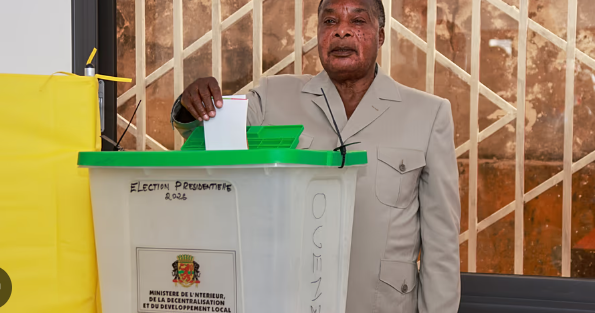
Denis Sassou-N’Guesso of Republic of Congo was sworn in as president on Thursday after securing victory in the March presidential election.
In his inauguration address, the 82-year-old leader pledged to drive development and create employment opportunities for young people as he embarks on his fifth term in office. He outlined plans to revive the national economy, with a focus on strengthening agriculture and industry.
“We will create jobs for as many people as possible, continue to expand basic infrastructure, and promote development,” Denis Sassou-N’guesso said during the ceremony held in Brazzaville, which was attended by several heads of state.
Sassou-N’Guesso won the election in the first round with 94.90 percent of the vote. While official figures placed voter turnout at over 84 percent, observers had anticipated significantly lower participation due to the absence of strong opposition candidates.
Election observers, including representatives from the African Union, commended the process as peaceful and orderly. However, the six other candidates alleged irregularities, citing fraud and low turnout.
The Congolese leader, representing the Congolese Party of Labor, first assumed power in 1979 and governed until 1992, when he introduced multi-party elections. He later returned to leadership in 1997 following a brief civil war.
The country continues to face economic challenges, with debt estimated at 94.5 percent of GDP, according to the World Bank, alongside rising youth unemployment. More than half of the population of 5.7 million lives in poverty, and nearly half are under the age of 18.
During his campaign, Sassou-N’Guesso highlighted his track record in infrastructure development and efforts to expand the gas and agriculture sectors to promote self-sufficiency. Although oil and gas revenues remain the backbone of the economy, contributing to an expected growth rate of 2.9 percent in 2025, poverty levels remain high.
Critics argue that economic progress has been undermined by the alleged mismanagement of oil revenues, with claims that significant funds have been diverted by senior government officials. The administration has also faced multiple investigations and legal complaints abroad, particularly in France.