OSP can’t prosecute independently under constitution – Lawyer Twum-Barimah
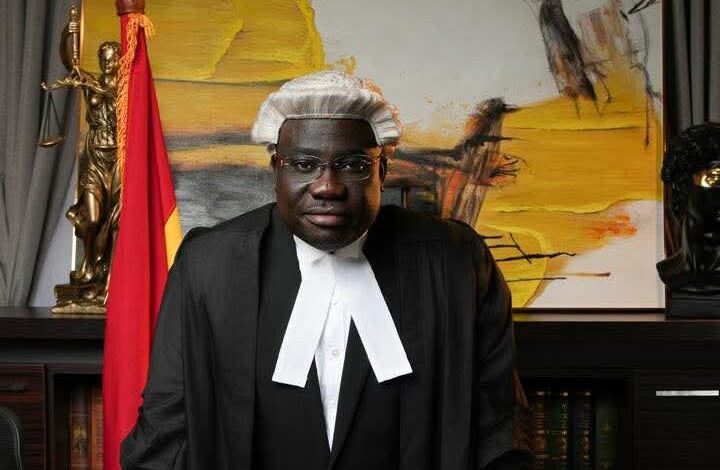
Lawyer and former Member of Parliament for Dormaa East, Paul A. Twum-Barimah, has defended the High Court ruling that restricts the Office of the Special Prosecutor (OSP) from independently prosecuting cases, insisting that the decision is firmly grounded in constitutional law rather than judicial error.
In a Facebook post on Friday, April 17, 2026, the legal practitioner emphasised that Article 88 of the 1992 Constitution clearly vests prosecutorial authority in the Attorney-General, meaning that any other institution, including the OSP, can only initiate prosecutions with proper authorisation.
He further pointed to Article 130, which places final interpretative authority on constitutional matters in the Supreme Court.
He also cited Article 1(2) of the Constitution, stressing its supremacy clause: “The Constitution shall be the supreme law of Ghana and any other law found to be inconsistent with any provision of this Constitution shall, to the extent of the inconsistency, be void.” He argued that this makes any conflicting provisions in the OSP Act legally subordinate to the Constitution.
Mr Twum-Barimah noted that while the Office of the Special Prosecutor Act, 2017 (Act 959) was designed to strengthen the fight against corruption by insulating prosecutions from political influence, it cannot override constitutional provisions.
He cautioned that interpreting the law otherwise risks undermining constitutional order rather than strengthening anti-corruption efforts.
He further urged that the matter be conclusively determined by the Supreme Court to resolve emerging inconsistencies in judicial interpretations, warning that continued uncertainty could affect ongoing and past corruption cases.
“The High Court simply applied the law as it is,” he implied, adding that the Supreme Court must now provide final clarity to prevent institutional conflict and safeguard legal certainty.