Vitus Azeem Condemns Vote Buying, Describes Practice as “Corruption, Not Investment”
Story: Maurice Otoo
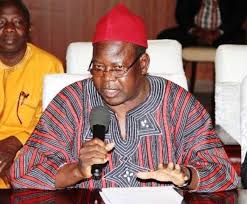
Anti-corruption advocate and Director of Accountability Lab Ghana, Mr. Vitus Azeem, has strongly criticised the growing culture of vote buying in Ghana’s electoral process, describing it as outright corruption that undermines democracy and good governance.
According to him, elections in Ghana are gradually shifting from democratic contests to what he termed a “monecrary system,” where leadership is effectively purchased rather than earned through ideas and competence.
Speaking with Kojo Preko Dankwa on Kessben Maakye today, Mr. Azeem observed that electorates are increasingly demanding money before casting their votes, while politicians willingly engage in the practice to secure political power. “What we are seeing is not democracy but moneycracy,” he stated.
He rejected arguments that the distribution of money and gifts during elections should be described as generosity, kindness or investment, insisting that such acts amount to corruption. “If it were truly kindness, why wait until election periods before showing it?” he questioned.
Mr. Azeem further argued that the monetisation of politics creates an enabling environment for corruption, allowing individuals with questionable backgrounds but deep pockets to gain leadership positions.
Touching on Ghana’s electoral laws, he noted that key regulations such as the Public Elections Regulations (C.I. 127) and provisions under Acts 1960 and Act 29 are not being adequately enforced. He criticised the practice of recruiting individuals to enforce electoral rules only for them to remain inactive during critical moments.
Referencing the 2023 NPP presidential primaries, Mr. Azeem alleged that huge sums of money were deployed to influence voting outcomes, adding that state resources were reportedly used during the process.
He also cited claims by an NPP presidential political candidate who allegedly said he has been paying some Members of Parliament an amount of GH₵20,000 monthly over a period of time, describing such statements as clear indicators of entrenched vote buying practices.
Mr. Azeem emphasised that vote buying does not only occur on election day or a day before voting, but often begins months earlier through sustained inducements and financial incentives.
Expressing doubt about the effectiveness of investigations into vote buying, he questioned whether committees set up by the National Democratic Congress (NDC) or other bodies could conduct impartial inquiries, given the widespread nature of the practice.
He therefore doubted if members of the committee can boldly say they have never been involved in such an act ever.
“It is difficult to deal with this issue, “what then happens to the recipients, this is deeply rooted, and it ultimately comes down to personal integrity,” he concluded.