High Court EOCO Arrest Attempt Was Needless and Avoidable — NPP’s Kamaldeen Abdullai
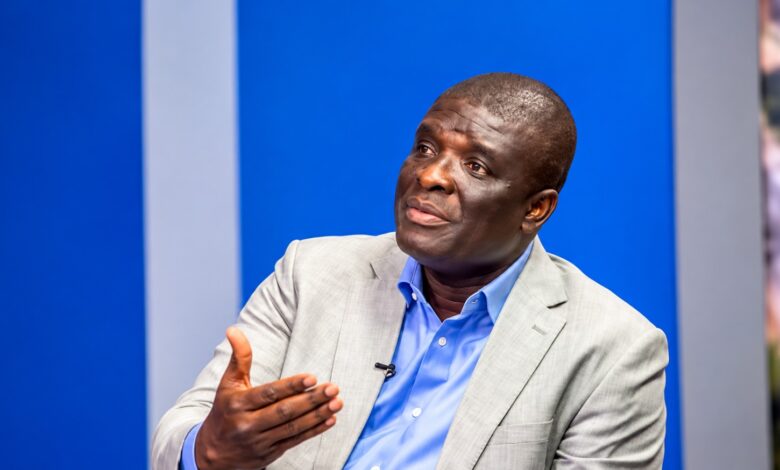
Deputy Communications Director of the New Patriotic Party (NPP), Kamaldeen Abdullai, has criticised the attempted arrest of Manhyia South MP Nana Agyei Baffour Awuah by officials of the Economic and Organised Crime Office (EOCO), describing the incident at the Accra High Court as “needless and avoidable.”
Speaking on Kessben Maakye show in Accra, via telephone, Abdullai noted, due process must remain central to law enforcement in a constitutional democracy. He argued that procedure is “as good as the law” and warned against allowing emotions to override established legal processes.
His comments follow Wednesday’s confrontation at the Accra High Court, where EOCO officials attempted to take Baffour Awuah into custody. The MP later alleged that the woman who approached him failed to provide identification, proof of authority or an arrest warrant when challenged.
EOCO, however, has presented a different account. The agency says Baffour Awuah had failed to honour two invitations issued in February 2026 in connection with an ongoing investigation, prompting it to take what it described as lawful steps to secure his attendance. EOCO said the arrest was abandoned after the situation escalated and officers concluded that further action could endanger public safety.
Abdullai also stressed the importance of the media in Ghana’s democracy, citing the constitutional mandate of press to educate the public on procedures for security agencies in effecting arrest where necessary, and called for strict adherence to the rule of law.
He added that, we would not allow someone to use emotions instead of the law to ruin our 32 year democracy because in a law abiding environment, it is better to free hundred criminals than to jail one innocent person.
Turning to the wider debate over hate speech and social-media abuse, the NPP communicator said it was unfortunate that President John Mahama was having to devote attention to organising dialogue on the issue instead of focusing solely on development.
He nevertheless described the dialogue initiative as “late, but a good call.”
He further called for individuals who threatened the country’s peace to be publicly identified and held accountable under the law.
By Maurice Otoo