Foreign drug arrests rise under NDC: Stop blaming the opposition for your drug mess!— Joint Inspections worked
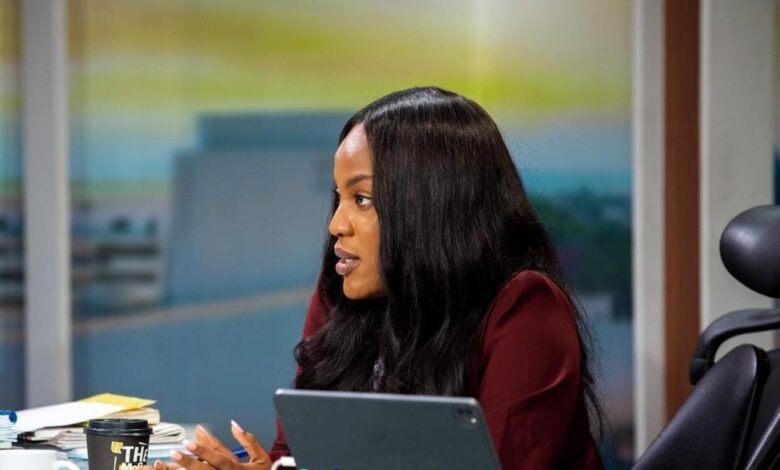
Dr. Ekua Amoakoh
The attempt to drag the previous administration into every conversation about Ghana’s current drug-trafficking crisis is becoming increasingly difficult to defend. If the NDC-led government of John Dramani Mahama wants to fix the problem, it should confront the failures of the present rather than endlessly searching for political cover in the past.
Sammy Gyamfi’s argument that the 2018 port reforms effectively crippled Ghana’s fight against narcotics does not withstand scrutiny. NACOC was not abolished. It was not expelled from Ghana’s ports. The reform changed the way routine physical inspections were conducted, reducing the number of agencies required to physically inspect every container. Former Defence Minister Dominic Nitiwul has recently reiterated precisely that point: NACOC remained at the ports, but was no longer part of routine physical container inspections.
That distinction matters.
The 2017 paperless-port reforms were designed to address a genuine problem: excessive bureaucracy, repeated inspections and delays at the ports. Mandatory joint inspection was introduced so that when physical examination was required, the relevant agencies could inspect a consignment together rather than opening the same container repeatedly for different agencies. The reform also introduced a risk-based approach intended to reduce unnecessary physical inspections while concentrating resources on higher-risk consignments.
The World Bank has also documented that Ghana’s paperless port system and Joint Inspection Management Information System were intended to improve clearance efficiency, with the electronic system helping coordinate the agencies involved in inspections.
So let us stop pretending that the policy was simply a decision to “remove NACOC” and leave the ports unprotected. That is an incomplete description of what happened.
More importantly, the record does not support the claim that Ghana suddenly became incapable of detecting narcotics because of the 2018 reforms.
In January 2018, approximately 56 kilogrammes of cocaine were reportedly seized at Ghana Post, with six Ghanaians arrested in connection with the consignment. That figure has been cited in the current political debate and should, where necessary, be verified against the underlying case records.
Then came June 2024. NACOC, working with the UK National Crime Agency, intercepted 166.88 kilogrammes of suspected cocaine at Kotoka International Airport. Two British nationals were arrested.
These are not trivial examples. They demonstrate that Ghana’s narcotics enforcement institutions were still capable of detecting major consignments years after the 2018 changes.
That raises a straightforward question: if the 2018 reform was such an obvious and fundamental threat to Ghana’s narcotics security, why was it not immediately reversed when the NDC returned to government in January 2025?
Why wait until a major international interception exposes weaknesses in the system before turning the 2018 reforms into the central explanation?
And there is another question that deserves an answer. If consignments allegedly originating from Ghana are being intercepted by European or Australian authorities years after the previous administration left office, why should the political response be to simply point backwards rather than examine the people, systems and decisions responsible today?
A government has every right to investigate what happened before it took office. It should. But investigation is different from political blame-shifting.
The recent international cases demand accountability. They demand stronger intelligence-sharing, effective port surveillance, proper scanning, competent investigations and prosecution of anyone found to be involved, regardless of political affiliation.
The reported US$208 million Australian methamphetamine case makes this even more urgent. Ghanaian authorities have said investigations implicated people within the system, while NACOC has subsequently announced arrests connected to the case. Those allegations and investigations must be allowed to establish who did what and who, if anyone, should face prosecution.
That is precisely why the government should resist the temptation to reduce a serious national-security problem to partisan rhetoric.
If officials or politically connected individuals facilitated the movement of narcotics, investigate them. If port officials failed in their duties, investigate them. If security systems were inadequate, fix them. If NACOC needs more personnel, equipment, intelligence capacity or authority, provide them.
But do not tell Ghanaians that everything began in 2018 simply because it is politically convenient.
Joint inspection was introduced to make the ports faster and more coordinated. The stated objective was to reduce duplication and unnecessary delays while using risk assessment to determine which consignments required deeper examination.
If the government now believes that the balance between efficiency and narcotics security needs to change, it should say so clearly and fix it. Restoring or strengthening NACOC’s role in routine inspections can be debated on its merits. But that debate should be about what works today, not an attempt to rewrite history.
The central issue is simple: Ghana needs results, not excuses.
Drug traffickers do not care whether a government is NDC or NPP. Cocaine does not respect party colours. Methamphetamine does not ask who introduced a policy eight years ago.
The responsibility of every government is to protect Ghana’s borders, strengthen its institutions and ensure that those who facilitate the narcotics trade are identified and prosecuted.
So instead of endlessly pointing to 2018, the NDC government should answer the harder questions about 2025 and 2026.
What went wrong? Who was responsible? What has been fixed?
And why should Ghanaians believe the system is stronger today than it was before?
Those are the questions that matter. Ghana needs a serious war against the drug trade, not a political war over who gets blamed for it.