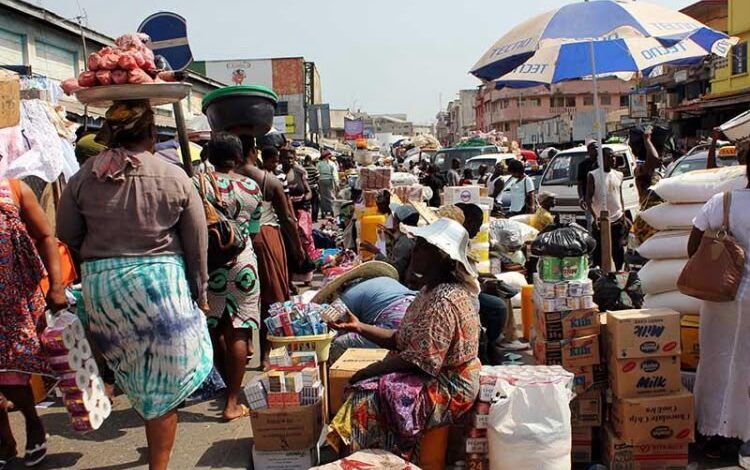
For many families in Ghana, a trip to the market is no longer routine. It has become an exercise in deciding what to leave behind.
A few years ago, a shopper could go to the market with a fixed amount of money and return home with enough food for several days. Today, that same amount buys far less, forcing households to cut back on meals, shop less often, and make tougher choices.
The Pressure on Homes and Students
The changes are showing up in everyday purchases. Food, transportation, and other basic necessities now cost more, while incomes for many households have stayed the same.
For students, the strain is even heavier. Many depend on allowances from parents and guardians, but with rising transport fares and food prices, the money runs out faster.
“I now have to think twice before buying certain things,” a university student said. “Sometimes you have money, but after buying food and paying for transportation, there is almost nothing left.”
Traders Caught in the Middle
Traders are also feeling the squeeze. They say they are stuck between suppliers who keep raising prices and customers who complain when those costs are passed on.
“Reducing prices is not always possible because the cost of restocking has also gone up,” one trader explained. “When prices increase, customers buy smaller quantities or choose cheaper alternatives.”
It has created a difficult cycle: sellers struggle to stay in business, and buyers struggle to afford what they need.
How Families Are Coping
To cope, many households are budgeting more carefully. Some have cut out non-essential spending, compared prices across different sellers, and started buying items in smaller quantities.
Others have taken on extra jobs or side businesses to make ends meet.
But individual effort can only go so far. The rising cost of essentials affects how families eat, travel, study, and plan for the future.
More Than Just Numbers
Economists and policymakers often talk about inflation rates, monetary policy, and household income. For ordinary Ghanaians, the reality is simpler: standing at a market stall and realizing the money in your hand is no longer enough.
The rising cost of living is not just an economic story. It is a human story — about parents skipping meals so their children can eat, about students choosing between transport and lunch, and about traders trying to keep their stalls open.
Behind every price increase is a person trying to stretch what little they have a little further.