Ashie Moore’s turner marked by organizational drive and electoral gains in Greater Accra
Story: Patrick Asford Boadu
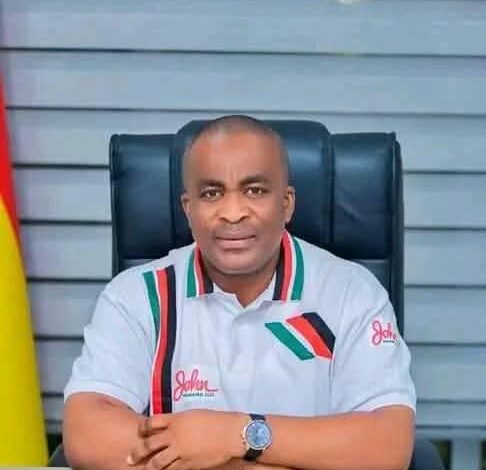
As discussions continue over the leadership legacy of Greater Accra Regional Chairman of the National Democratic Congress (NDC), Emmanuel Nii Ashie Moore, party officials and grassroots members say his tenure has been defined not only by electoral victories but by the deliberate construction of structures designed to sustain the party’s growth well into the future.
Many within the party credit Ashie Moore’s administration with transforming Greater Accra into one of the NDC’s most organized and competitive regions, combining grassroots mobilization, electoral preparedness, and institutional reforms to secure significant gains during the 2024 general elections.
Building Structures Beyond Election Cycles
Party insiders argue that one of Ashie Moore’s most enduring contributions has been the establishment of systems that extend beyond any single election season.
Under his leadership, regional and constituency collation centres were strengthened and equipped to improve election monitoring and results management.
These structures have since become permanent features of the party’s electoral machinery in the region.
“He didn’t just focus on winning an election,” a constituency secretary remarked. “He focused on ensuring that the party remains prepared at all times.
The systems established under his leadership have become part of the region’s organizational culture.”
According to party officials, trained collation officers, data managers, and constituency-based election teams are expected to provide a strong foundation for future electoral contests.
Investing in the Next Generation
Ashie Moore’s tenure also saw significant investment in youth and women’s participation within the party.
Through various capacity-building initiatives, thousands of young party activists received training in community mobilization, digital campaigning, public speaking, and grassroots organizing.
Women’s groups across the region similarly benefited from leadership development programmes and empowerment initiatives aimed at increasing their participation in party decision-making processes.
“The future of any political party depends on its ability to develop new leaders,” said a regional youth organizer. “Chairman Ashie Moore understood this and made youth development a central part of his leadership agenda.”
Revitalizing Grassroots Structures
Political observers have also highlighted the strategic decision to support branch executives across the region, including the payment of dues for thousands of grassroots officers.
The initiative, many party members say, helped revitalize local structures and strengthen branch activities in constituencies that had previously struggled with organizational challenges.
Constituencies once considered difficult political terrain for the NDC began recording increased grassroots participation and improved electoral performances.
“When branch executives feel valued and supported, they work harder for the party,” a branch chairman explained. “That investment paid off because our structures became more active and better organized.”
Accessibility and Grassroots Engagement
Among party faithful, Ashie Moore earned a reputation for maintaining close contact with grassroots members through regular constituency visits and consultations.
His leadership style, characterized by direct engagement with party members, earned him the popular nicknames “Follow Who Know Road” and “The Road Master.”
According to supporters, these interactions strengthened trust between the regional leadership and party members.
“He was accessible,” said one constituency organizer. “You could raise concerns directly, and there was always a willingness to listen. That created confidence within the rank and file.”
A Model for Other Regions
Political analysts and party strategists increasingly point to the Greater Accra experience as a model for strengthening party organization nationwide.
The approach, they argue, prioritizes grassroots investment, organizational discipline, election preparedness, and accountability.
With Greater Accra remaining one of Ghana’s most politically competitive regions, many believe the structures established under Ashie Moore’s leadership could continue to influence the party’s fortunes in future elections. “The lesson from Greater Accra is simple,” a senior party strategist observed.
“Strong electoral outcomes are built on strong institutions. What Chairman Ashie Moore leaves behind is not just a record of victories but a framework for future success.”
Looking Ahead
As attention gradually shifts toward the next electoral cycle, supporters maintain that the true measure of Ashie Moore’s tenure will be the durability of the systems and structures he helped establish. For many within the party, however, the verdict is already taking shape.
“The road he built was never meant for one election alone,” a longtime party member said. “It was designed to carry the party forward for years to come.”
As the NDC prepares for future political contests, Greater Accra’s experience under Emmanuel Nii Ashie Moore may well serve as a case study in how organization, grassroots empowerment, and strategic planning can translate into lasting political success.