11 Years On, We’re Still Waiting for Justice – June 3 Disaster Victims Demand Compensation
Story: Maurice Otoo
Victims of the June 3, 2015 fire and flood disaster at the Kwame Nkrumah Circle GOIL filling station in Accra have renewed calls for justice and compensation, accusing authorities of neglecting their plight more than a decade after the tragedy.
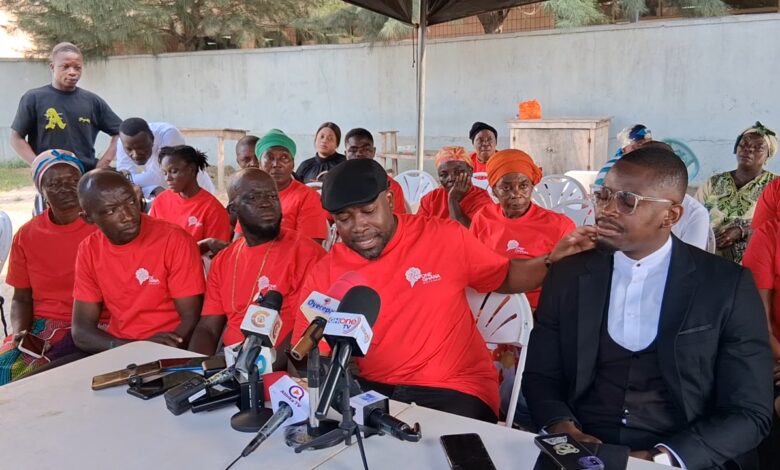
At a press conference organized by the One Ghana Movement under the theme “Where is Justice?”, survivors recounted the hardships they continue to endure and demanded immediate action from the relevant authorities.
The group said the gathering was intended to draw attention to delays in the payment of lifetime compensation to victims, particularly those who suffered permanent disabilities as a result of the disaster.
According to available records, the June 3 tragedy claimed the lives of about 150 people and left approximately 250 others with varying degrees of injuries, making it one of Ghana’s deadliest disasters.
Speaking to Kessben Digital media, Convener of the One Ghana Movement, Senyo K. Hosi, expressed concern over the prolonged legal battles surrounding compensation for victims.
He noted that the issue of remuneration and compensation has remained tied up in court for years, with little progress made despite the passage of more than a decade since the incident.
Several survivors who addressed the press conference shared emotional accounts of their experiences during and after the disaster.
Among them were Kasim Suraj, Alex Mensah, and Uchenna, who said many victims have received little or no meaningful support since the incident. They argued that while the physical and emotional scars remain, authorities have failed to provide adequate compensation or long-term assistance.
Some victims also disclosed that financial support received for medical treatment was insufficient, forcing them to rely on donations and external assistance to settle hospital bills and continue treatment.
Others said beyond sustaining serious injuries, they lost vehicles, businesses, and other valuable properties in the inferno and subsequent flooding.
They lamented that 11 years after the disaster, many affected persons are still struggling to rebuild their lives.
The victims and the One Ghana Movement are therefore calling on government and relevant institutions to expedite compensation processes and ensure that survivors receive the justice and support they have long been promised.
The June 3 disaster occurred after heavy rains triggered severe flooding in parts of Accra, leading many residents to seek shelter at a fuel station near Kwame Nkrumah Circle.
A fuel explosion later engulfed the area, resulting in massive casualties and widespread destruction.