Bank of Ghana Pledges to Safeguard Stability as Inflation Falls to Single Digits
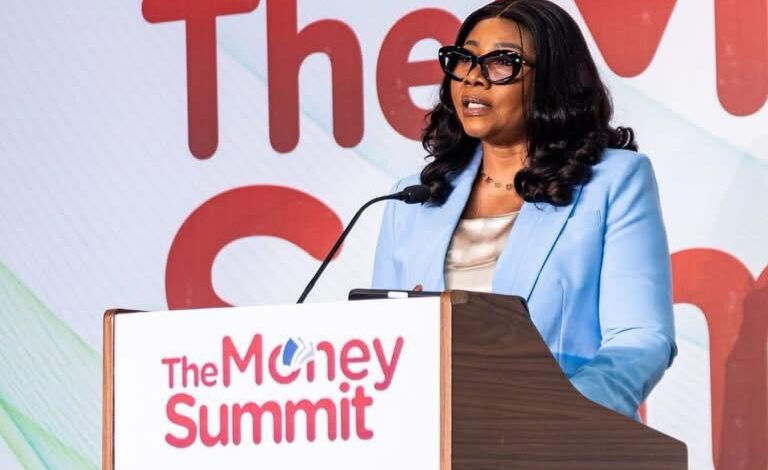
The Bank of Ghana (BoG) has reaffirmed its commitment to maintaining macroeconomic stability and keeping inflation under control, following a significant decline in price pressures that has brought inflation back into single-digit territory.
Speaking at The Money Summit 2026, the Second Deputy Governor of the Bank of Ghana, Mrs. Matilda Asante-Asiedu, said the central bank would continue to deploy all available policy tools to safeguard price stability and support sustainable economic growth.
Delivering a keynote address on the theme, “Building Trust, Capital, and Stability for Ghana’s Economic Future,” Mrs. Asante-Asiedu noted that Ghana’s economy had recorded remarkable improvements over the past two years, with headline inflation dropping from 23.8 percent at the end of 2024 to about 3.4 percent by April 2026.
She added that food inflation, which directly affects household welfare, had also fallen sharply from nearly 28 percent to just over 2 percent during the same period.
According to her, the disinflation process has created room for lower interest rates, easing borrowing costs for businesses and households. The Monetary Policy Rate has been reduced from 27 percent to 14 percent, while the benchmark 91-day Treasury bill rate has fallen from 28 percent to below 5 percent. Average lending rates have also declined from above 30 percent to around 16 percent.
“For every business in this room, that is the difference between credit that strangles and credit that fosters growth,” she said.
Mrs. Asante-Asiedu attributed the progress to prudent monetary and fiscal policies, strong institutional coordination and the sacrifices made by Ghanaians during the economic recovery process.
She noted that Ghana’s external position had strengthened considerably, with Gross International Reserves increasing from approximately US$9 billion to over US$14 billion, supported by strong gold export earnings and improved external sector performance.
Despite the positive outlook, the Deputy Governor cautioned against complacency, warning that global economic uncertainties, geopolitical tensions and volatility in international commodity markets continue to pose risks to the economy.
“Stability secured is different from stability sustained. Our task now is to hold on to what we have won and to do so, we need to remain vigilant,” she said.
Mrs. Asante-Asiedu stressed that maintaining low inflation remains a top priority for the central bank because it supports lower interest rates, affordable credit and business expansion.
“The Bank of Ghana has and will continue to work to safeguard price stability. We remain vigilant to inflationary threats and will deploy every tool available in our toolkit whenever inflation threatens macroeconomic stability,” she stated.
She explained that price stability is not an end in itself but a critical condition for economic growth, investment and job creation.
The Deputy Governor also highlighted the Bank’s plans to continue building foreign exchange reserves, strengthen the banking sector and deepen domestic capital mobilisation to support long-term investment and economic resilience.
She called on financial institutions, businesses, investors and the public to support efforts aimed at preserving economic stability, emphasizing that sustaining the gains achieved so far is a shared responsibility.
“We have secured stability. Our charge now is to sustain it, and that is not the Bank of Ghana’s burden to carry alone,” she said.
Mrs. Asante-Asiedu expressed confidence that with continued discipline, sound policies and collaboration among stakeholders, Ghana can consolidate its economic recovery and build a stronger foundation for inclusive growth and prosperity.