NPP Reconstitutes Standing and Sector Committees to Strengthen Party Communication – Ahiagbah
Story: Maurice Otoo
The opposition New Patriotic Party (NPP) has reconstituted its standing and sector committees as part of efforts to strengthen internal coordination, policy communication, and strategic engagement on national issues.
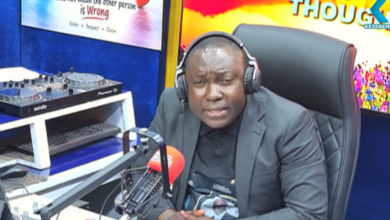
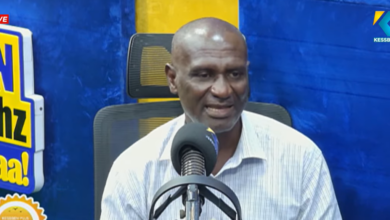
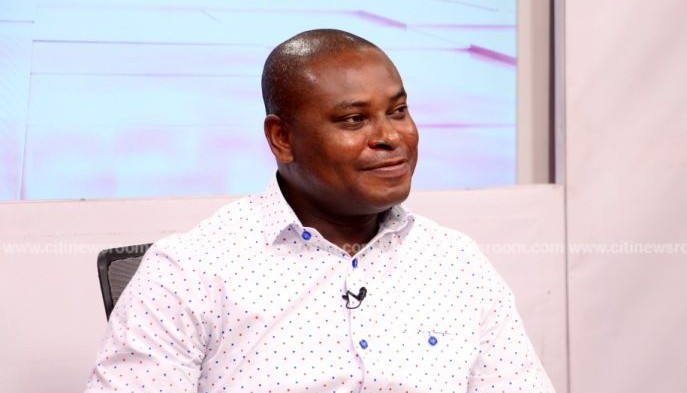
Speaking on the development at Kessben TV’s Digest show, the party’s Director of Communication, Richard Ahiagbah, explained that the committees would operate under the National Council structure and would primarily focus on gathering information and generating data to support the party’s communication strategy.
According to him, the committees are not intended to replace the party’s communication machinery but rather to complement it by identifying gaps in governance and providing informed perspectives on national matters.
“The larger communication team will continue to direct all aspects of the party’s national communication,” he stressed.
Mr. Ahiagbah disclosed that extensive consultations were undertaken before the final selection of committee members, adding that individuals who were not selected remain valued members of the party.
“Any viable person who was not selected was not neglected or hated. We respect all of them, and they will still be useful in diverse ways, even if their names were not part of the mainstream selection,” he explained.
He further noted that the committees have been tasked with monitoring specific sectors of government operations, identifying lapses, and proposing possible solutions and additions to policy discussions.
On the issue of party representation in the media, the NPP communications director said the party carefully determines who speaks on particular matters based on the subject and political implications involved.
“In cases where media houses invite the party to speak on issues, we decide who is best suited to address the matter according to the party’s position, and not necessarily whether the person is a lawyer or not,” he stated.
However, he clarified that legal matters currently before the courts are usually handled by lawyers capable of arguing such cases effectively.
Mr. Ahiagbah acknowledged that communication in government and opposition politics can be challenging, especially during difficult moments, insisting that political communication requires strategy and sensitivity.
“Communication in government is difficult when things are not going well, and that is why it must be strategic and sensitive,” he added.