Ghana’s Energy Sector: Progress and Future Plans for Sustainable Power Supply
Story: Maurice Otoo
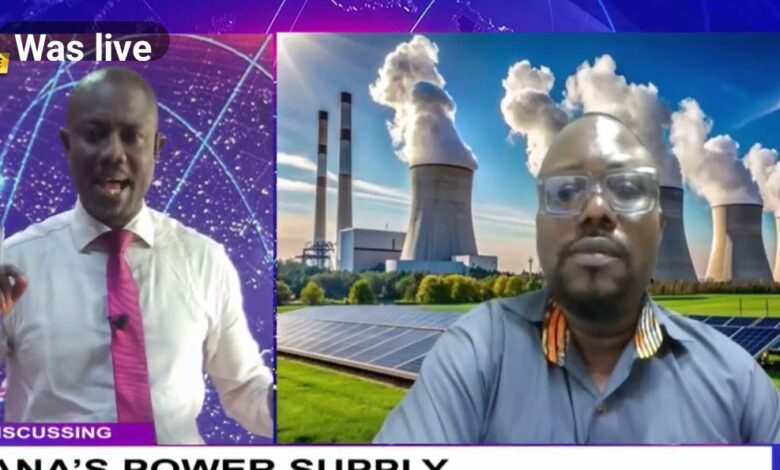
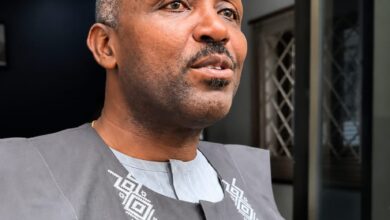
Dr. Robert Sogbadji, the Deputy Director of Energy at the Ministry of Energy and Green Transition, has shared key insights into Ghana’s evolving energy landscape.
Speaking on the country’s energy development via zoom interview on Kessben TV’s Digest, he reflected on the nation’s efforts to diversify its energy sources and ensure a stable future for power supply.
Dr. Sogbadji highlighted Ghana’s initial steps towards electro-power energy and the subsequent move towards nuclear energy.
The country’s early attempts to incorporate nuclear power were delayed after the overthrow of Dr. Kwame Nkrumah’s government.
As a result, Ghana began facing power crises approximately two decades after the inauguration of the Akosombo Dam.
According to the Deputy Director, Ghana now boasts 89% access to electricity, which places it among the leading nations in sub-Saharan Africa.
However, the country still faces challenges in power generation, with its largest dam currently unable to produce more than 2,000 megawatts of electricity.
To mitigate this, Dr. Sogbadji stressed the importance of investing in renewable energy, which can help meet the growing demand.
Ghana currently have about 89% access to electricity as compared to other African countries that are trailing with just about 20 access.
He added that ,the need for a diversified energy mix, including wind, solar, and hydropower, is critical in addressing these challenges.
He reiterated that, Ghana must continue to develop a long-term strategy to ensure energy security.
According to him, Dr. Kwame Nkrumah’s earlier initiatives toward nuclear energy were noted as a significant step, though some people view such investments as too capital-intensive. Still, the long-term benefits of diversifying energy sources far outweigh the initial costs. Dr. Sogbadji suggested that creating energy reserves would enable Ghana to export energy and encourage industrialization.
Finally, he insisted, Ghana’s energy sector no longer depends solely on Nigeria for gas. With the recent operational success of the Atuabo gas plant, the country is now in a stronger position to secure its own energy future.