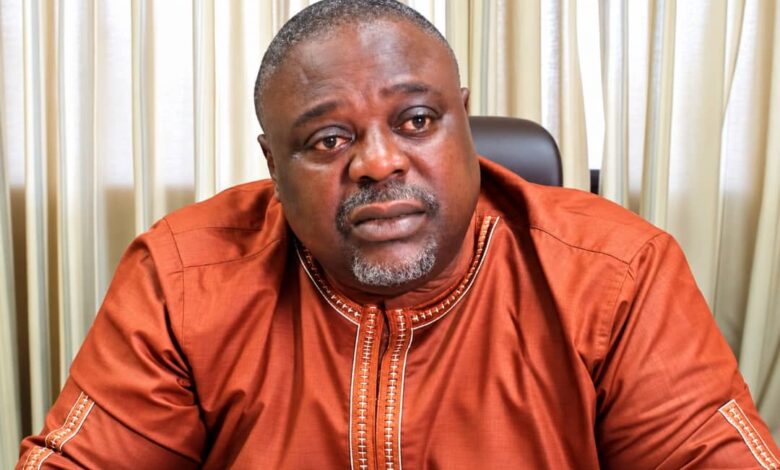
Founder and President of the Atta Mills Institute, Samuel Koku Anyidoho, has raised questions about Ghana’s security systems and its growing bilateral relations with Colombia amid renewed concerns over international cocaine trafficking.
Anyidoho’s comments follow reports that French customs officials intercepted about 3.9 tonnes of cocaine, valued at approximately €225 million, at the Port of Dunkirk on September 10, 2026, in a container reported to have originated from Ghana.
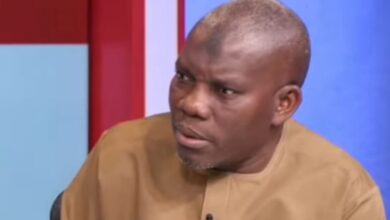
Speaking on the issue at Kessben Maakye show in Accra, Anyidoho argued that drug trafficking on such a scale should trigger deeper scrutiny of Ghana’s ports, borders and international arrangements.
“When the drugs of the barons begin to permeate our presidency, we are doomed as a nation,” he said.
He questioned Ghana’s relationship with Colombia, pointing to the South American country’s history as a major cocaine-producing nation and asking whether bilateral arrangements could inadvertently create vulnerabilities for traffickers. His remarks amount to questions and allegations; they do not establish evidence that Ghana’s agreements with Colombia are connected to cocaine trafficking.
Official records show that Ghana and Colombia’s visa-waiver agreement applies to holders of diplomatic, official and service passports. Parliament considered the agreement in July 2025, and Colombia says it took effect on January 6, 2026. The stated purpose is to facilitate official mobility and strengthen bilateral cooperation.
Anyidoho also recalled Ghana’s previous battles with narcotics trafficking, including the MV Benjamin scandal, saying he had been instrumental in campaigning against the cocaine menace during the era of the late President John Evans Atta Mills’ campaign in 2007-2008 general election .
He praised Mills’ approach to leadership and security, recalling that the former president subjected himself to airport security procedures to demonstrate that public officials should not be above established systems.
Anyidoho further argued that major drug traffickers often build influence by funding community projects, donating vehicles to security agencies and supporting vulnerable groups, making it difficult for authorities to investigate networks behind trafficking rather than focusing only on lower-level suspects.
“Leadership is not rocket science; if you really want to do it right, you can do it,” he stated.
His intervention adds to calls for a thorough investigation into how such a large cocaine consignment allegedly passed through Ghana’s export and port-security systems and for investigators to establish the full chain of responsibility.