‘Ghanaians must remain free to challenge their leaders’ – Mahama
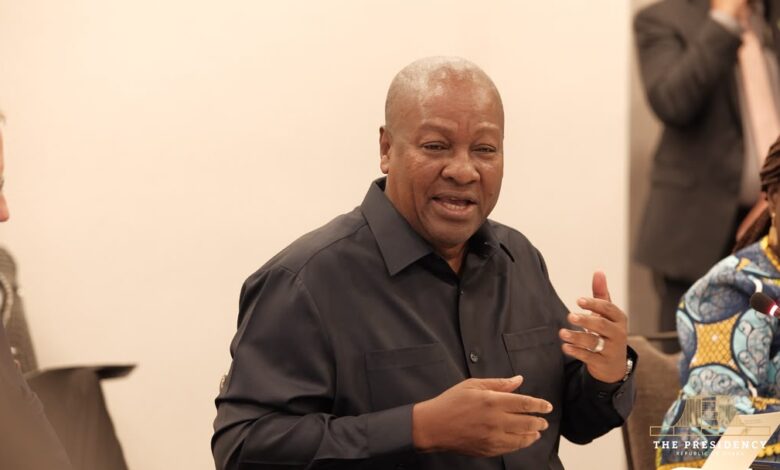
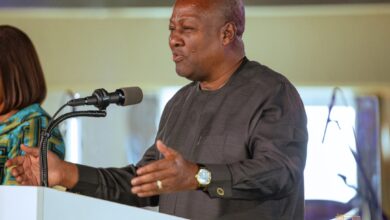
President John Dramani Mahama has reaffirmed the importance of protecting freedom of expression and press freedom, insisting that Ghanaians must remain free to criticise their leaders, expose wrongdoing and express strong opinions without fear.
He said efforts to combat misinformation and disinformation, particularly on digital platforms, must not be used as an excuse to suppress legitimate criticism or undermine independent journalism.
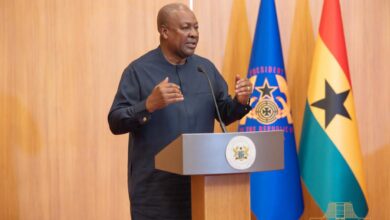
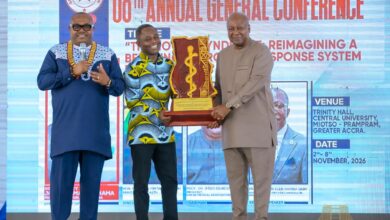
Speaking at the 30th Ghana Journalists Association (GJA) Media Awards, President Mahama stressed that any action taken against credible threats or incitement to violence must be lawful, proportionate and subject to due process.
“Ghanaians must remain free to challenge their leaders, expose wrongdoing, and express strong opinions. Where credible threats or incitement to violence require action, the response must be lawful, proportionate, and subject to due process,” he said.
The President further cautioned that measures introduced to address false information must safeguard the media’s constitutional responsibility to hold public officials accountable.
“Efforts to combat false information must safeguard legitimate criticism and independent reporting. These safeguards matter most when public debate is heated,” he added.
President Mahama also urged journalists and media organisations to strengthen their fact-checking practices, particularly when dealing with viral videos, audio recordings and claims circulating on social media.
He encouraged journalists to investigate the origins of recordings, establish whether important details had been omitted and verify information before broadcasting it to the public.
“Our journalists can help by asking where a recording came from, what it has left out, and what can be verified before they place this on air,” he stated.
He also challenged radio and television presenters to exercise greater responsibility during live discussions by questioning unverified claims before they are repeated as established facts.
According to him, media organisations must also make their correction processes transparent by explaining how they verified evidence when retracting or correcting inaccurate reports.
“When a newsroom corrects a false story, it can explain how it checked the evidence. That gives the audience something to use the next time a rumour appears on a phone,” he said.
President Mahama acknowledged that Ghana was not alone in facing the challenges associated with misinformation and the rapidly evolving digital media environment.
He disclosed that he had commissioned the Media Foundation for West Africa (MFWA) and the Ghana Journalists Association to conduct consultations and make recommendations on how the country should respond to the emerging challenges.
The consultations are expected to contribute to discussions on managing misinformation while preserving freedom of expression, independent journalism and the public’s right to hold leaders accountable.