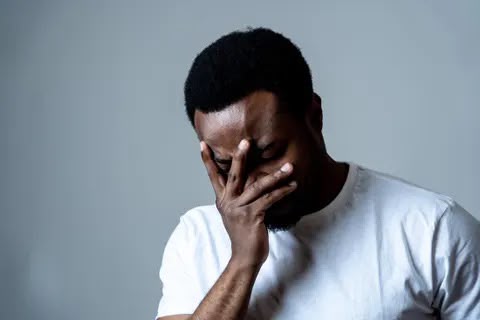
From childhood, society teaches many boys the same lesson in different ways: Barima nsu — men do not cry.
When a boy falls and cries, someone tells him to stop. When he is hurt, he is told to be strong. When he is afraid, he is told to be brave. As he grows older, the message gets louder: a “real man” must be tough, aggressive, and emotionally unshakable.
But while we teach men to hide their emotions, we rarely ask what happens to those emotions when they have nowhere to go.
The Price of Silence
There is nothing wrong with encouraging men to be strong. The problem is when we define strength as the inability to feel pain, sadness, fear, or vulnerability.
Men are human too. They experience heartbreak, disappointment, loneliness, anxiety, and grief. Yet society often makes them feel ashamed for showing it.
A man can lose someone he loves and still hear, “Man up.” He can lose his job, struggle financially, or go through a painful breakup, but instead of being asked how he feels, he hears, “You are a man. Deal with it.”
We say these things casually, without thinking about the damage.
The numbers suggest we should pay attention. The 2023 WHO Ghana STEPS Survey* found that 6.4% of men experienced moderate to severe depression, and *3.1% of men aged 18–69 had seriously considered suicide in the previous 12 months*.
These figures do not prove that “men don’t cry” causes depression. But they show that men’s mental and emotional health deserves far more attention.
Samuel Cudjoe Hanu, Acting Head of Research at the Ghana Mental Health Authority, has also challenged this culture of silence. He says phrases like “Barima nsu” and “man up” reinforce harmful stereotypes that stop men from talking about mental-health struggles. He is urging men to speak up about stress, anxiety, and depression, and to seek professional help when needed.
*Where Do The Emotions Go?*
When society tells men to hide how they feel, some stop talking altogether. Instead of saying, “I am hurting,” they go silent. Instead of asking for help, they pretend everything is fine. They carry the weight alone because they fear being called weak.
And when emotions have no outlet, they often come out in unhealthy ways.
If a boy grows up believing sadness is weakness but anger is strength, he learns to express pain through anger. Frustration becomes shouting. Hurt becomes aggression. Pain becomes violence.
That does not mean every angry man is violent, or that suppressing emotions alone causes mental illness. But we must ask: why does society give boys so few acceptable ways to express difficult feelings?
This also damages relationships. A man who never learned to name his emotions may struggle to communicate with his partner, children, friends, or family. He may love them deeply but find it hard to say, “I’m worried,” “I’m hurt,” or “I need help.”
A Healthier Definition of Strength
We need to rethink what we mean when we tell men to “be strong.”
Strength is not pretending everything is fine when it isn’t. Sometimes strength is admitting you are struggling and having the courage to seek help.
A man who cries after losing someone is not less of a man. A father who tells his children he is scared has not failed. A young man who talks about his struggles has not lost his masculinity.
Men do not need less strength. They need a healthier definition of it.
If we want healthier families, relationships, and communities, we must allow men to be human.
Let boys cry when they are hurt.
Let men talk when they are struggling.
Let them ask for help without shame.
Perhaps real strength is not holding everything inside.
Sometimes, it is having the courage to say, “I am not okay.”
The writer is a Journalism and Media Studies student at the University of Education, Winneba.