The African Women Leaders Network, Ghana Chapter has expressed solidarity with victims of the recent floods and is calling for special recovery assistance for women whose livelihoods have been destroyed.
In a press statement released on Tuesday, July 7, 2026, AWLN Ghana extended condolences to families affected by the floods that hit parts of the country, resulting in the loss of at least 12 lives*. Many others have been displaced, injured, or lost homes, businesses, and livelihoods.
“Women and Girls Bear the Greatest Burden”
The Network said the disaster is a stark reminder of the impact of climate change, poor urban planning, weak enforcement of environmental regulations, and inadequate disaster preparedness.
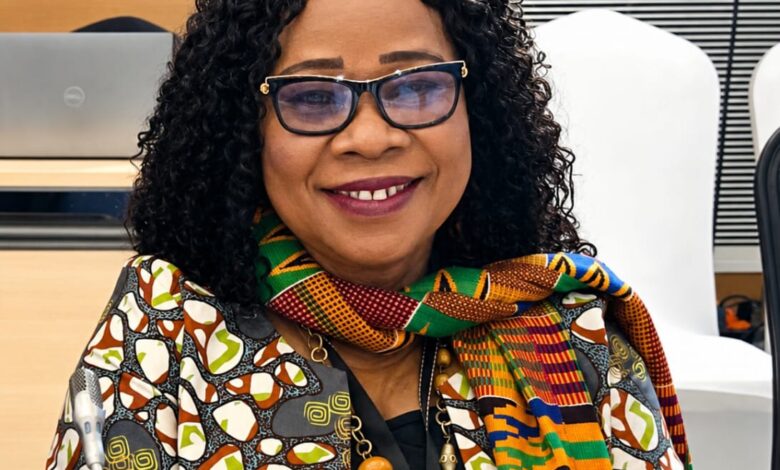
“While floods affect entire communities, women, children, older persons, and persons living with disabilities often experience the greatest challenges during and after such disasters,” the statement signed by Chairperson Dr. Charity Binka noted.
According to AWLN Ghana, many women have lost their homes, businesses, sources of income, and the means to care for their families. For women who operate small enterprises, recovery can be “particularly difficult and prolonged.”
“We recognise the emotional trauma, economic hardship, and uncertainty they face,” AWLN Ghana stated, calling on government, development partners, civil society, the private sector and citizens to support relief and recovery efforts “in a coordinated and compassionate manner.”
Five-Point Call to Action
AWLN Ghana said the floods “must serve as a turning point” and proposed immediate and long-term measures:
1. Special recovery assistance for women whose livelihoods and businesses have been destroyed
2. Improved drainage infrastructure and sustainable urban planning
3. Stronger environmental protection and enforcement measures
4. Expanded climate education and community preparedness programmes to empower citizens before disasters occur
5. Meaningful inclusion of women in climate action, disaster risk reduction, and recovery planning
The Network also highlighted persistent challenges such as inadequate drainage systems, poor waste management, environmental degradation, and development in flood-prone areas.
Women Must Be Part of the Solution
As an initiative of the African Union and the United Nations committed to advancing women’s leadership, AWLN Ghana stressed that women’s experiences, knowledge, and leadership are essential to building safer and more resilient societies.
“Together, through compassion, solidarity, and collective action, we can support affected families, rebuild stronger communities, and create a more resilient future for Ghana,” Dr. Binka said.
The June 29 floods submerged homes, schools and businesses in parts of Accra and other regions, renewing calls for urgent climate adaptation and disaster management reforms.