Rule of Law Has Been Replaced by Money and Power – Charles McCarthy Slams Double Standards in Sedinam Tamakloe Case
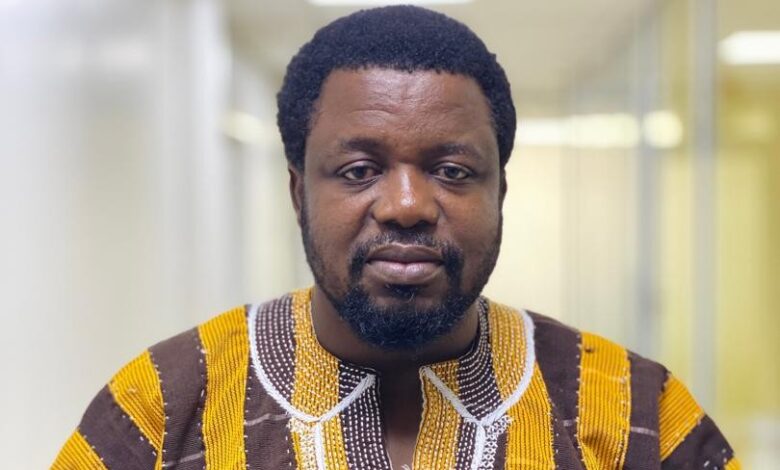
Media practitioner and publisher of The Hawk Newspaper, Charles McCarthy, has launched a scathing critique of what he describes as selective justice in Ghana, questioning the public and political reactions surrounding the return of former MASLOC CEO Sedina Tamakloe to the country.
Speaking on the issue at Kessben Maakye show in Accra, McCarthy argued that the New Patriotic Party (NPP) did not spend any resources to facilitate Sedina Tamakloe’s return to Ghana, stressing that the matter began under the previous administration but was left unresolved for years.
According to him, the circulation of photographs showing Tamakloe’s arrival does little to advance justice or address the substantive issues in the case.
“What would pictures of her arrival do for you?” he questioned.
McCarthy further challenged what he sees as unequal treatment of individuals facing legal troubles, comparing Tamakloe’s case to that of former Finance Minister, Ken Ofori-Atta.
He questioned why the two cases are being treated differently despite both involving significant sums of money, suggesting that influence and status may be determining factors.
“People are treated differently from others based on the size of their pocket,” he stated.
The veteran journalist also raised concerns about public misconceptions regarding repatriation, questioning if being returned from the United States automatically mean a person is headed straight to prison.
In one of his strongest remarks, McCarthy lamented what he described as the erosion of justice in the country.
“I am tempted to say there is no rule of law in this country. It is the rule of money and power,” he said.
He further accused some political actors of merely creating the impression that they are interested in pursuing the Sedina Tamakloe matter, insisting that little meaningful action is actually being taken.
The comments add to the growing national debate over accountability, corruption-related prosecutions, and whether Ghana’s justice system applies the law equally to all citizens regardless of their social or political standing.
By Maurice Otoo