NPP Faces Tough Road Ahead – Pollster Claims Mahamudu Bawumia’s Support Has Slumped as NDC Gains Ground
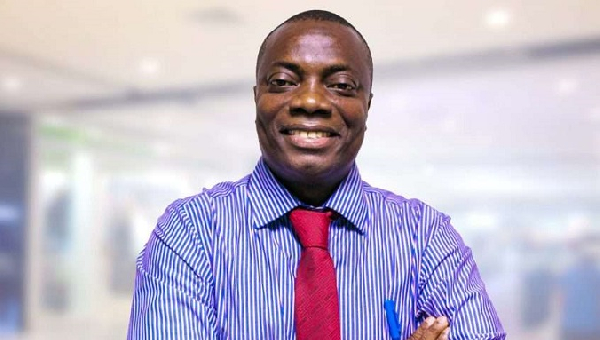
A leading data analyst has claimed that former Vice President Dr. Mahamudu Bawumia is facing declining public support, warning that the New Patriotic Party (NPP) could struggle in future elections if internal divisions are not resolved.
Speaking on his recent polls trend on Kessben TV’s Digest show, Musah Dankwa, Executive Director of Global InfoAnalytics, said current polling data suggests that President John Dramani Mahama would secure about 63.3% of votes if an election were held today, while Dr. Bawumia would attract around 34.7%.
Dankwa further indicated that in a hypothetical contest between Dr. Ato Forson and Dr. Bawumia, the Finance Minister would poll 54%, compared to 35% for the NPP’s 2024 presidential candidate.
According to him, support that once firmly backed Dr. Bawumia has been fragmented, with portions of it shifting to political figures such as Alan Kyerematen, Nana Kwame Bediako and other emerging political actors.
The pollster cautioned that the NPP could face significant electoral challenges if it fails to heal internal cracks and present a united front ahead of future elections.
“The NPP needs to be united; otherwise, they would have a tough time,” he stressed.
Dankwa also asserted that available data points to growing support for the National Democratic Congress (NDC) in the Eastern Region, a traditional NPP stronghold.
He said current ground assessments suggest the governing party is making significant inroads in the region, potentially altering the political landscape ahead of the next election cycle.
The analyst noted a major shift in voter behaviour, particularly among young people, arguing that many are no longer permanently attached to any political party.
According to him, younger voters are increasingly transactional in their political choices and are evaluating parties based on performance rather than long-standing loyalty.
“People are now more transactional and are not attached to parties because their umbilical cord was cut in a particular political party,” he said.
Dankwa added that anyone who believes young people are disengaged from politics is mistaken, emphasizing that today’s youth are highly educated, informed, and closely monitor the performance of governments before making electoral decisions.
His comments come amid ongoing debates over the future direction of Ghana’s major political parties and the influence of independent-minded young voters on the country’s political fortunes.