Ghana Calls on African Union to Address Xenophobic Attacks Against Africans in South Africa
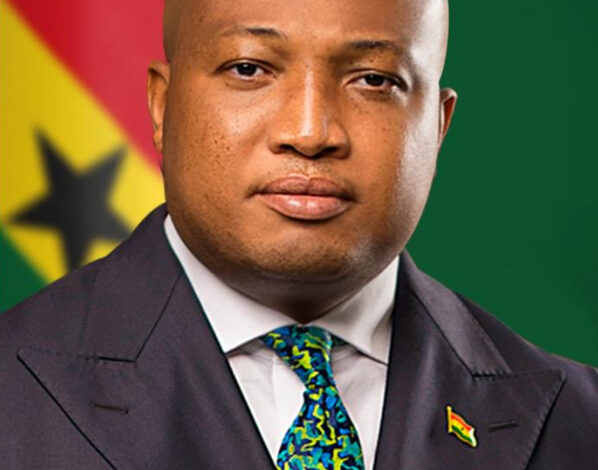
Ghana has formally requested that xenophobic attacks against African nationals in South Africa be placed on the agenda of the African Union’s upcoming Mid-Year Coordination Meeting, describing the issue as an urgent threat to continental unity and integration.
In a letter addressed to the Chairperson of the African Union Commission, Foreign Affairs Minister *Samuel Okudzeto Ablakwa (MP)* said Ghana is “deeply concerned” by the recurrence of xenophobic violence in South Africa, which has led to loss of life, destruction of property, and ongoing risks to the safety of African migrants.
The Eighth Mid-Year Coordination Meeting is scheduled for June 24–27, 2026, in El Alamein, Egypt.
A Betrayal of African Solidarity
Minister Ablakwa noted that the persistence of violent attacks against fellow Africans is particularly painful given the continent’s history of solidarity during South Africa’s struggle against apartheid and its democratic transition.
“While fully acknowledging the sovereignty of the Republic of South Africa and its primary responsibility to protect all persons within its territory, the targeting of nationals from African countries presents a challenge to the shared principles of African solidarity, brotherhood, and continental unity,” he wrote.
Violations and Setbacks to Continental Goals
The Ghanaian government argues that the attacks violate the African Charter on Human and Peoples’ Rights, of which South Africa is a state party. They also undermine the spirit of Pan-Africanism and run counter to the objectives of the African Continental Free Trade Area (AfCFTA), which seeks to promote free movement and economic integration across the continent.
Ghana’s Proposed Actions
Ghana is calling on the AU to take four key steps:
1. *Include the matter on the agenda* of the Eighth Mid-Year Coordination Meeting under the AU’s rules of procedure.
2. *Strengthen AU monitoring mechanisms* to help member states uphold their obligations under the AU Constitutive Act and the African Charter.
3. Establish a fact-finding mission* to examine the root causes of xenophobic violence in South Africa and recommend remedial measures.
4. Facilitate dialogue and reconciliation* initiatives to promote tolerance, inclusion, and renewed commitment to continental unity.
A Call for Collective Resolve
Invoking the legacy of Ghana’s first President, Osagyefo Dr. Kwame Nkrumah, Ablakwa said Africa’s future depends on unity and mutual respect.
As Ghana’s founder and renowned Pan-Africanist consistently proclaimed, the full potential and emancipation of Africa can only be achieved when Africa unites,” he wrote. “That aspiration begins with a collective resolve to ensure that no African is dehumanised on African soil.”