Ghana, Sierra Leone Dust Off 2013 Pact, Target Quick Wins in Energy and Cocoa Trade
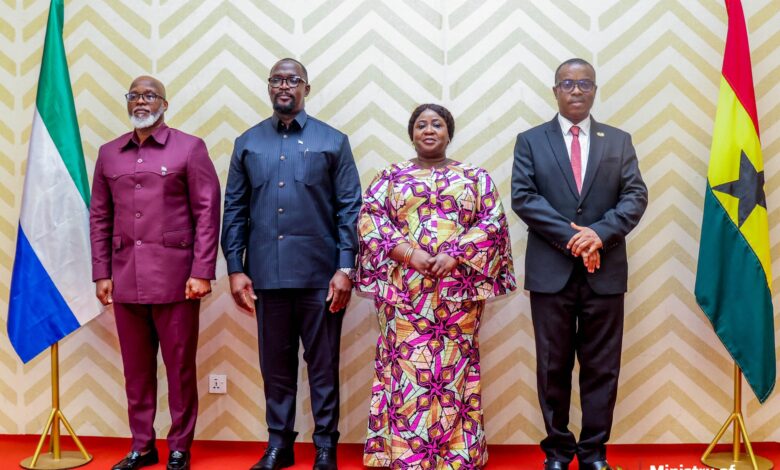
It took 13 years, two presidential visits, and a blunt order for “no more paper promises.” This week, Ghana and Sierra Leone finally switched on the Permanent Joint Commission for Cooperation (PJCC), turning a dormant 2013 agreement into a three-day sprint to sign new deals on power, agriculture, and security.
The technical session opened in Accra today with both sides signaling that the era of ceremonial diplomacy is over. “We are here to operationalize,” said Ambassador Khadija Iddrisu, Chief Director at Ghana’s Ministry of Foreign Affairs and Co-Chair of the talks. “The mandate from our Heads of State is clear: convert history into results.”
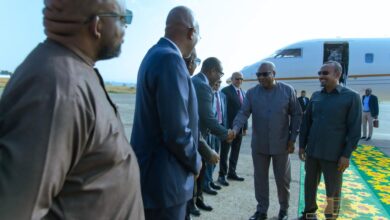
That mandate flows from President John Dramani Mahama’s trip to Freetown in March 2025 and President Julius Maada Bio’s return visit to Accra in January 2026. Both leaders told their ministries to make the PJCC the workbench for a “modern, results-oriented economic partnership.”
Why now, and why fast?
Ambassador Iddrisu said the two countries aren’t starting cold. Ghanaian money is already at work in Sierra Leone through the Ghana Infrastructure Investment Fund, and Ecobank Ghana partnered with Ecobank Sierra Leone on a $25 million facility for Maya Mining. Defense and civil aviation links also remain active.
But the gaps are obvious. West Africa still struggles with high trade costs, unreliable power, and fragmented security responses. The PJCC is being pitched as a fix-it shop.
Alan C.E. Logan, Director-General of Sierra Leone’s Ministry of Foreign Affairs and the session’s other Co-Chair, gave the to-do list:
Keep the lights on: Hammer out joint approaches to “sustainable power solutions” as both economies expand.
Grow and sell together: Use Ghana’s experience in sustainable cocoa to lift Sierra Leone’s sector via the Produce Marketing Board, and map cross-border agribusiness chains.
Secure the neighborhood: Tighten defense cooperation and set up a standing channel for both foreign ministries to align on regional diplomacy.
“We owe this to our past”
Logan tied the push to shared sacrifice, thanking Ghana for its ECOMOG-era military role during Sierra Leone’s civil war. “This commission fulfills a vision we’ve held for years,” he said. “It’s time those historical bonds paid dividends for our people.”
The deadline: Wednesday
Technical teams have until mid-week to finalize a batch of Memoranda of Understanding. The rule from both capitals: draft agreements must be practical, bankable, and ready for ministers to sign before the week ends.
“Every line we write must translate into something a farmer, a trader, or a manufacturer can feel,” Logan told the room.
Bigger than two flags
If it works, the revived PJCC could model a new style of West African diplomacy — less summit, more spreadsheet. Ghana offers ports, logistics, and cocoa expertise. Sierra Leone brings mines, farmland, and political will to diversify. Together they’re testing whether bilateral frameworks can actually cut costs and move goods faster than regional blocs have managed.
Ministers are expected to sign the first set of MOUs by Friday. The technical committees meet through Wednesday to make sure there’s something worth signing.