No-bed syndrome: Mahama targets 10% emergency bed capacity at major hospitals
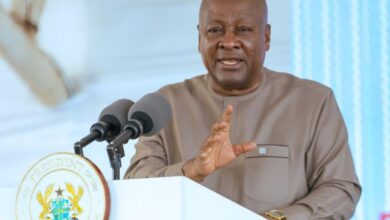
President John Dramani Mahama has announced plans to increase emergency bed capacity at major hospitals across the country to at least 10 per cent of their total functional bed capacity as part of efforts to tackle Ghana’s persistent ‘no-bed syndrome’.
The initiative will see Accident and Emergency Centres at Korle Bu Teaching Hospital, Komfo Anokye Teaching Hospital, Tamale Teaching Hospital and the 37 Military Hospital expanded to accommodate more patients requiring urgent medical attention.
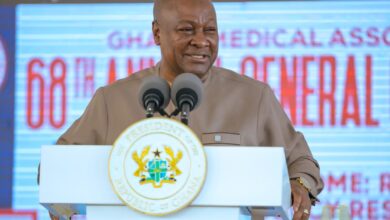
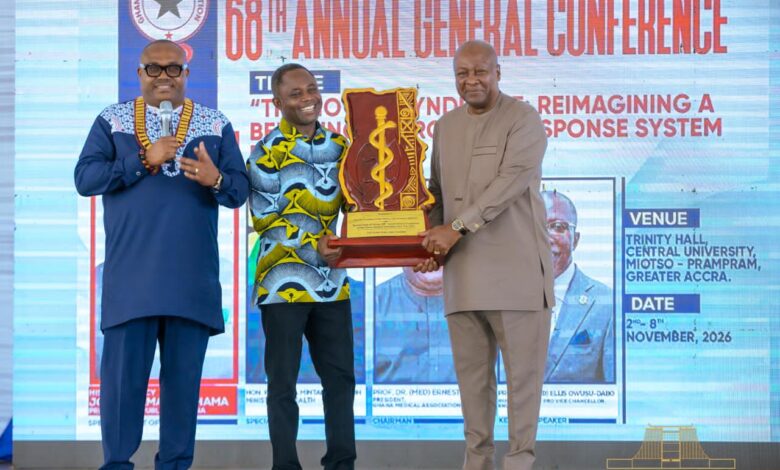
Addressing the 68th Annual General Conference of the Ghana Medical Association, President Mahama said the expansion would be accompanied by the provision of additional healthcare professionals, medical equipment, oxygen and essential supplies to ensure that the new beds are fully operational.
He cited Korle Bu Teaching Hospital as an example of the pressure facing major referral facilities, explaining that although the hospital has a functional bed capacity of 1,500, its Accident and Emergency Department currently has only 65 beds.
“At Korle Bu, for example, achieving this target would mean more than doubling the current emergency bed capacity from 65 to at least 150 beds,” he announced.
President Mahama said work on the expansion of the four major hospitals would begin next year, describing the intervention as an important component of government’s broader efforts to improve emergency healthcare delivery.
He stressed that tackling the no-bed syndrome required more than simply providing physical beds, noting that emergency capacity depended on the availability of trained medical personnel, functioning equipment and essential supplies.
“A bed becomes a place of care when trained professionals, functioning equipment, oxygen and essential supplies are available to provide the treatment a patient needs,” he stated.
The President said the government was also implementing an Integrated Bed Management and Referral Coordination System (IBMRC) to help hospitals and ambulance teams identify facilities with the capacity to receive emergency patients.
The digital system is being piloted at seven major health institutions, including Korle Bu, Komfo Anokye, Tamale Teaching Hospital, Greater Accra Regional Hospital at Ridge, the 37 Military Hospital, the University of Ghana Medical Centre and the National Ambulance Service.
He explained that the system would improve coordination between hospitals and facilitate the transfer of patients to facilities with available beds and the capacity to provide the required treatment.
President Mahama further announced the opening of the Ghana Armed Forces Critical Care and Emergency Hospital to the public, saying the facility would begin receiving patients immediately to provide additional emergency care capacity.
He maintained that every patient arriving at a health facility in critical condition must receive immediate attention, even when the hospital cannot provide definitive treatment.
“When a patient arrives in critical condition, we cannot simply say, ‘No bed, no bed, go somewhere else.’ At the very least, the patient must be assessed,” he emphasised.
He added that facilities capable of stabilising patients must do so before arranging transfers to hospitals with the appropriate specialist services.
President Mahama said the combined interventions were intended to strengthen Ghana’s emergency response system, reduce delays in accessing treatment and ensure that patients receive timely and coordinated medical care.