Traoré marks four years in power, continuing Sankara’s legacy
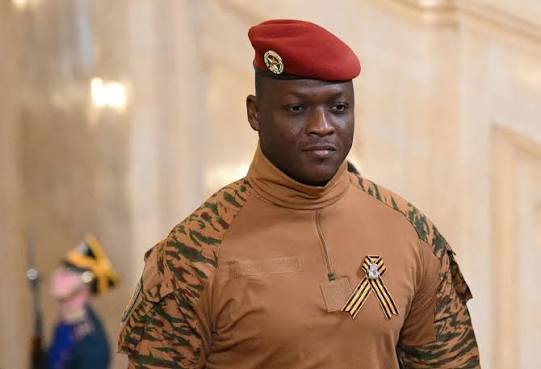
Captain Ibrahim Traoré has now been at the helm of Burkina Faso for four years—the same period Thomas Sankara spent in power. Both military officers rose to power as young army captains wearing red berets, pledging to advance national sovereignty, Pan-Africanism and greater economic self-reliance.
Sankara came to power in 1983 and launched what he described as a “democratic and popular revolution.” His government prioritised education, women’s empowerment, self-reliance and increased local production.
Sankara was assassinated in 1987. Almost four decades later, Traoré presents himself as continuing Sankara’s legacy, although he faces a markedly different set of challenges.
Under Traoré, the government has nationalised gold mines, supported local industries and introduced Faso Mebo, an ambitious infrastructure initiative focused on road construction and urban development using domestic resources.
Security, however, remains the most significant challenge facing his administration. Burkina Faso continues to battle jihadist groups, with violence affecting large areas of the country and some communities experiencing blockades.
Traoré has also adopted a more restrictive political approach. Journalists, magistrates and civil society activists have reportedly been forcibly recruited and deployed to the front lines, while political opposition has faced increasing restrictions.
On the international front, Traoré has distanced Burkina Faso from its former colonial power, France, while deepening relations with Russia. He has also joined Mali and Niger in establishing a new regional confederation.