Economic recovery must translate into better lives for Ghanaians – President Mahama
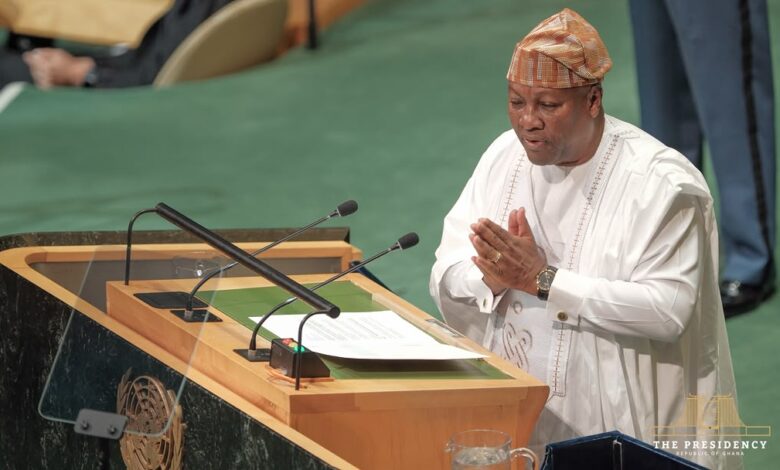
President John Dramani Mahama has stressed that Ghana’s recent economic recovery must ultimately translate into tangible improvements in the lives of ordinary citizens.
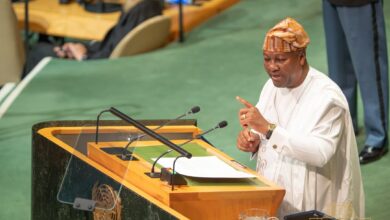
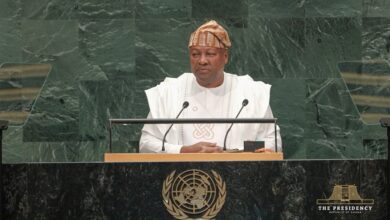
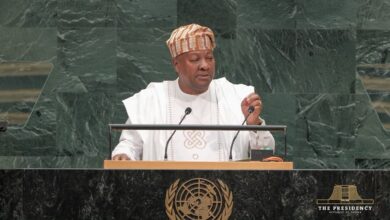
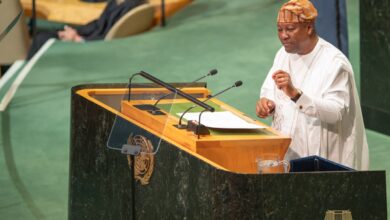
Addressing the 81st United Nations General Assembly in New York, President Mahama said improvements in key macroeconomic indicators would have limited significance if they failed to improve the daily experiences of Ghanaians.
“Macroeconomic indicators mean little if they do not translate into real improvements in our people’s daily lives,” he said.
President Mahama said his administration had undertaken measures aimed at stabilising the economy, reducing inflation, strengthening the national currency and lowering the country’s public debt burden.
He described the progress recorded under his administration as a significant economic turnaround, which he said had also helped restore investor confidence in Ghana.
“Less than two years into my administration, through disciplined governance and fiscal prudence, and an uncompromising fight against corruption, Ghana has achieved a dramatic economic turnaround,” he stated.
The President said the government was now focused on translating economic stability into broader development and improved opportunities for citizens.
A key component of that agenda, he said, was the Big Push programme, an infrastructure-led initiative involving investments in roads, digital connectivity, schools and healthcare facilities.
According to President Mahama, the programme is intended to open up communities, narrow the rural-urban development gap and unlock opportunities in agriculture and other productive sectors.
He also highlighted the government’s 24-hour economy and Accelerated Export Development Programme, which he said were designed to promote industrialisation, increase value addition and create sustainable employment opportunities.
The initiatives, he said, would support round-the-clock commercial activity while strengthening Ghana’s productive capacity, particularly in agriculture and mining.
President Mahama further pointed to social-sector interventions, including the expansion of social protection and the launch of a free primary healthcare programme aimed at improving access to essential services at the community level.
He said the government’s broader objective was to ensure that economic growth was reflected in improvements in healthcare, education, infrastructure, employment and economic opportunities.
President Mahama’s remarks formed part of his broader address on Ghana’s economic and governance experience, during which he also called for a more equitable global economic system that would provide developing countries with greater access to financing for growth and industrialisation.