Local production could reduce import exposure and strengthen farm support while opening opportunities across West Africa
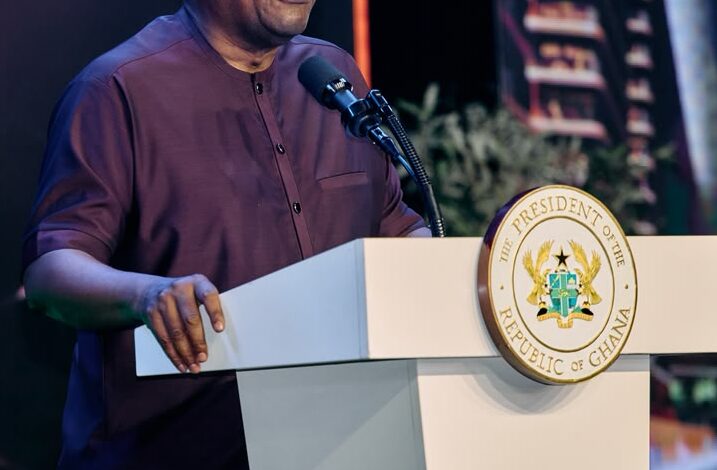
President John Dramani Mahama has disclosed that Sentuo Group Executive Chairman Xu Ningquan has told him of plans to build a fertiliser production plant in Ghana to supply Ghanaian farmers.
The President made the disclosure at the ceremonial sod-cutting for Sentuo Airport Garden City in Accra on 15 September 2026, while commending the chairman’s continued investment in the country.
“He’s also whispered to me he’s going to build a fertilizer production plant here in Ghana to produce fertilizer for our farmers,” President Mahama said. 1
The remark brings a proposed agricultural investment into public focus. In that passage, the President did not specify the plant’s location, production capacity, investment cost, financing arrangements or construction timetable.
The economic opportunity is substantial. World Bank WITS data record Ghana’s gross fertiliser imports at approximately US$296.2 million in 2024. Competitive domestic manufacturing could replace part of those purchases and reduce exposure to overseas supply disruptions and exchange-rate movements. 2
Any foreign-exchange benefit would depend on the share of production undertaken in Ghana and the cost of imported raw materials, equipment and financing. The national import figure is a measure of market scale, not a forecast of savings from the proposed plant.
The proposal also has implications for public agricultural spending. In June 2026, the Ministry of Finance reported that GH¢515.3 million had been earmarked for fertilisers and certified seeds. Lower fertiliser procurement costs could help a fixed support budget reach more farmers, provided local production delivers competitive prices and dependable supply.
For farmers, timely access to suitable fertiliser can support better harvests. The International Fertilizer Development Center explains that crops remove nutrients from the soil and that replenishing them through appropriate nutrient management supports productivity. Results also depend on water, seed quality, soil conditions and sound farming practices.
A viable plant could create opportunities in engineering, maintenance, packaging and distribution, alongside training for Ghanaian workers. Sales to neighbouring markets could generate export earnings and spread production costs across a larger customer base, subject to competitive pricing and reliable delivery.
The President’s disclosure places fertiliser manufacturing alongside the wider debate about private investment in Ghana’s productive capacity. The proposal’s value would ultimately be measured by affordable products reaching farmers, stronger local supply and a sustainable contribution to the economy.
EDITORIAL
Feed Ghana and Supply West Africa
Why government should act now on the Sentuo fertiliser opportunity
The government should immediately engage Sentuo Group and its partners to develop a commercially viable fertiliser manufacturing plant in Ghana. President John Dramani Mahama’s disclosure that Chairman Xu intends to establish such a facility gives the country a specific investment opportunity to pursue. It deserves a clear timetable for action.
The public interest is straightforward. Farmers need dependable access to affordable inputs before the planting season. Government needs agricultural support programmes that deliver more value for each cedi. An efficient local fertiliser industry could help meet both needs while giving Ghana a stronger role in supplying West African agriculture.
Ghana’s recorded fertiliser imports of about US$296.2 million in 2024 demonstrate the scale of purchases made abroad. That figure covers gross national imports; it is not all government expenditure. Even replacing a commercially realistic share could retain more value within Ghana, provided the resulting foreign-exchange savings exceed the project’s continuing external costs.
The first dividend would be for the farmer. Fertiliser that arrives late can miss the period when a crop needs it most. A well-run domestic plant, connected to existing distributors and reliable storage, could improve planning and availability. Its products should reflect the nutrient needs of local soils and crops, supported by soil testing and practical advice on application.
Better access to appropriate inputs can help farmers raise output and improve their incomes. More dependable harvests would also support food processors and could ease pressure on food prices. Those gains require irrigation, transport and storage to improve alongside input supply. The factory should therefore be developed as part of a functioning agricultural economy.
The second dividend concerns the public purse. The Finance Ministry’s reported GH¢515.3 million provision for fertilisers and certified seeds illustrates the resources committed to supporting production. If competitive local supply lowers the delivered cost of fertiliser, the same budget could assist more farmers or release resources for extension services and irrigation. Savings must be demonstrated through transparent procurement and realistic cost comparisons.
The financing structure matters just as much as the factory. Sentuo and its partners should mobilise credible investment capital, while government coordinates infrastructure access, timely decisions and a predictable operating environment. Any tax concessions, subsidised energy or guarantees must be counted when assessing the public benefit. A project intended to relieve fiscal pressure must have terms the country can afford.
The regional opportunity deserves attention from the beginning. A Ghanaian plant could serve buyers across West Africa, earn foreign exchange and create work for transporters, warehouses and local suppliers. Regional sales would also help sustain production beyond Ghana’s seasonal demand. A market study should establish the products customers need, the prices they will pay and the routes that can deliver reliably against existing competition.
Government should now appoint a lead ministry and bring together the teams responsible for agriculture, finance, industry and energy with Sentuo, its technical partners and prospective financiers. A sensible target would be a first substantive meeting within 30 days and an initial investment assessment within 90 days. These should be deadlines for decisions and evidence, with a construction schedule developed from the engineering and financing work.
That assessment should settle the proposed products and manufacturing process, dependable feedstock and energy supply, likely production costs and credible sources of capital. It should identify which nutrients will actually be manufactured in Ghana and which inputs will still be imported. The distinction will determine how much domestic value and supply security the investment can deliver.
Ghanaian participation should be built into the project from the start. Training partnerships with technical institutions can prepare operators, laboratory staff and maintenance teams. Qualified local firms should have fair access to supply contracts. Environmental performance, efficient water use and community protection should form part of the plant’s design and operating costs.
President Mahama has provided an opening for purposeful cooperation with Chairman Xu. Government can respond with the urgency that investors need and the discipline that taxpayers deserve. Progress should be reported against clear milestones so farmers and the public can see whether the proposal is advancing.
Ghana has an opportunity to produce more of what its farms need and supply a wider regional market. The government should bring Sentuo and its partners to the table now and turn that opportunity into an investable project. A successful plant would make the President’s disclosure count where it matters most: in farmers’ fields, household food budgets and productive jobs.