World Bank flags GoldBod operations as ‘insufficiently monitored’ – Jerry Ahmed
The Second Deputy Minority Whip, Jerry Ahmed Shaib, has cited findings in the World Bank’s latest Ghana Economic Update as evidence of inadequate monitoring of GoldBod-related operations under the current administration.
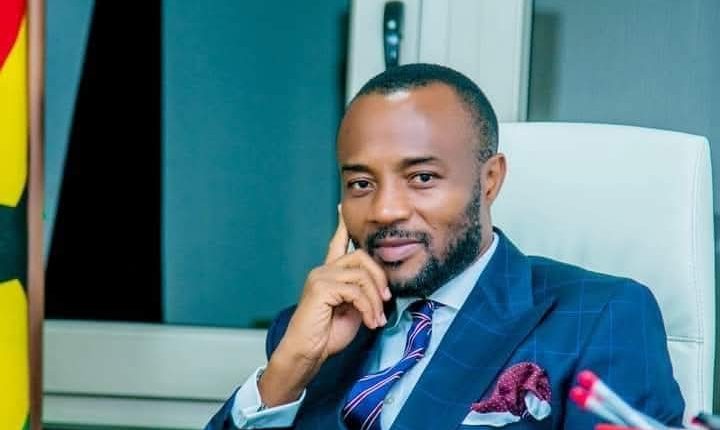
The Second Deputy Minority Whip, Jerry Ahmed Shaib, has cited findings in the World Bank’s latest Ghana Economic Update as evidence of inadequate monitoring of GoldBod-related operations under the current administration.
According to Mr Shaib, the World Bank has identified GoldBod-related operations as a “significant and insufficiently monitored risk” to Ghana’s economy, raising fresh concerns about the management of the country’s gold reserves and the Domestic Gold Purchase Programme (DGPP).
He made the remarks in a statement responding to the World Bank’s 10th Ghana Economic Update: Reset for Growth, Sustaining Macroeconomic Recovery and Unlocking Transport for Transformation, published in August 2026.
Mr Shaib argued that the World Bank’s assessment, together with earlier findings by the International Monetary Fund (IMF), strengthens the Minority’s call for a parliamentary inquiry into the operations of GoldBod and the Bank of Ghana.
He cited an August 2026 IMF report, Ghana: Selected Issues, which he said found that the Domestic Gold Purchase Programme recorded losses of more than US$1.7 billion in 2025, equivalent to about 1.5% of Ghana’s GDP.
He said the losses had contributed to the Bank of Ghana’s negative equity position and warranted greater scrutiny of the programme.
“The Domestic Gold Purchase Programme was a smart idea birthed by the Nana Addo Dankwa Akufo-Addo administration, with Dr Mahamudu Bawumia as the brain behind its design,” Mr Shaib said.
“Using our own gold to build reserves and protect the cedi was sound, forward-thinking policy. That idea was never the problem. The problem is the sheer incompetence with which this government has managed it since taking over.”
Mr Shaib further cited the World Bank’s observation that gold reserves accumulated through the programme were not being tracked in the same manner as Ghana’s other reserves.
He also pointed to the World Bank’s identification of GoldBod and delays in reforms as ongoing risks to the Ghanaian economy.
The Second Deputy Minority Whip said the World Bank had also highlighted concerns over undercapitalised banks and specialised deposit-taking institutions, COCOBOD’s financial challenges and Ghana’s exposure to fluctuations in international gold prices.
He maintained that the concerns raised by the two international institutions were not a reflection of the original concept behind the Domestic Gold Purchase Programme but rather its implementation.
“This is not a case against Dr Bawumia’s original vision for gold-backed reserves. It is a case against this government’s incompetent management of a good policy it inherited,” he said.
Mr Shaib welcomed the Speaker of Parliament’s admission of the Minority’s motion on the matter, saying it creates an opportunity for Parliament to seek answers on the programme.
He argued that the World Bank’s findings had reinforced the need for a comprehensive parliamentary inquiry rather than relying on public statements and denials.
Among the questions he said the Minority wants answered are the identities of the off-takers involved in the programme, the discounts applied to gold purchases, the fees charged and who ultimately bore the losses.
The Minority is therefore calling for a full parliamentary inquiry into GoldBod and the Bank of Ghana’s gold operations, including the power to summon officials and demand relevant documents.
It is also demanding full disclosure of off-takers, discounts and fees associated with the programme, as well as clarity on whether GoldBod or the Bank of Ghana bore specific losses.
Mr Shaib further called for systematic public disclosure of contingent liabilities associated with the programme, transparent accounting of gold reserves under standard reserve reporting and a clear government plan to address the gaps identified by the IMF and World Bank.
“Two independent international institutions have now confirmed the same thing, and Parliament has taken the first step toward accountability,” he said.
“Ghanaians deserve competent stewardship of a good idea, not excuses. The Minority will keep pushing until we get real answers.”
CitiNewsRoom