Ghana needs structural shift – NDPC chairman backs government’s new economy plan
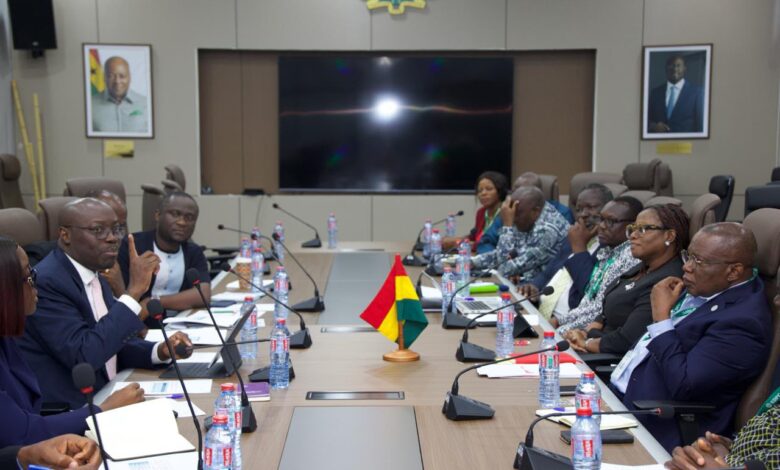
The Chairman of the National Development Planning Commission (NDPC), Dr Nii Moi Thompson, has underscored the need for the government’s New Economy Programme to translate recent macroeconomic stability into sustained structural transformation, increased productivity, job creation and improved livelihoods.
He made the call during an engagement between NDPC and the Ministry of Finance on the New Economy Plan, as part of ongoing consultations by the Minister of Finance, Dr. Cassiel Ato Forson, ahead of the 2027 Budget to be presented to Parliament in November 2026.
Dr Thompson said the programme, presented an opportunity to address longstanding structural constraints to Ghana’s development, including low productivity, infrastructure gaps and limited economic diversification. He stressed that the next phase of economic management should focus on building a more productive and resilient economy capable of generating jobs and creating sustainable prosperity.
He noted that the Consolidated National Development Plan being developed by NDPC would provide a long-term strategic framework for sustaining Ghana’s development gains and ensuring continuity in the country’s transformation beyond electoral cycles.
For his part, Dr Forson outlined the Government’s vision for the New Economy Plan, which seeks to move Ghana beyond economic stabilisation towards increased production, job creation, wealth generation and sustainable growth.
He indicated that NDPC would play a critical role in tracking progress and assessing implementation of the programme to ensure that its interventions translate into measurable development outcomes.
The Director General of the NDPC, Dr. Audrey Smock Amoah, thanked the Minister for Finance and highlighted that the New Values, New Society campaign, integrated into the Consolidated National Development Plan, requires minimal national funding. Despite its low cost, the initiative is intended to drive high-impact solutions to critical national challenges, particularly corruption, law and order, and productivity, including respect for time, among others.