Questions have been raised over President John Dramani Mahama’s decision to dissolve the governing boards of nine state institutions, with concerns also emerging over several agencies that are currently operating without boards.
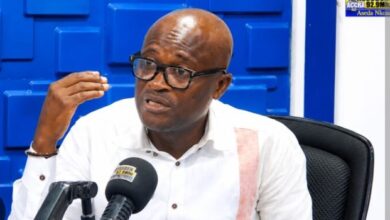
Raising concerns on Kessben Maakye show in Accra, the managing editor of Hawk newspaper, Charles McCarthy, insisted the government’s approach to the restructuring of state institutions raises serious questions about priorities and national security.
McCarthy questioned why the President would dissolve nine boards when, according to information attributed to the State Interests and Governance Authority (SIGA), about 12 agencies are currently operating without boards.
Among the institutions mentioned are the Copyright Authority, Creative Arts Agency, Cyber Security Authority, Ghana Highways Authority, Mortuary and Funeral Facilities Agencies (MOFFA), Northern Development Authority, Twifo Oil Palm Plantation, Social Investment Fund, PSC Tema Shipyard, Ghana Railway Company, AirtelTigo, as well as the Grains and Legumes Development Board. “Why would you overlook all these and dissolve nine boards?” he questioned.
He also alleged that there are more than 300 vacancies at the Ghana Broadcasting Corporation (GBC) while some people with relevant expertise remain without appointments, whereas others are allegedly serving as board chairs on multiple boards. No minister has any business chairing any agency under them, he asserted.
McCarthy further questioned the effectiveness of the government’s recent reshuffle, particularly in the area of national security.
He argued that the President’s greatest challenge is his alleged inability to make effective changes within the national security architecture a major weakness for the administration.
According to McCarthy, the government’s claimed reshuffle has not sufficiently addressed concerns within the national security sector, suggesting that resistance to changes has undermined efforts to reform the system.
The comments are likely to fuel further debate over the government’s management of state-owned institutions, board appointments and the broader restructuring of public agencies.
By Maurice Otoo