Prof. Bokpin: Digital platforms key to protecting Ghanaians from financial fraud
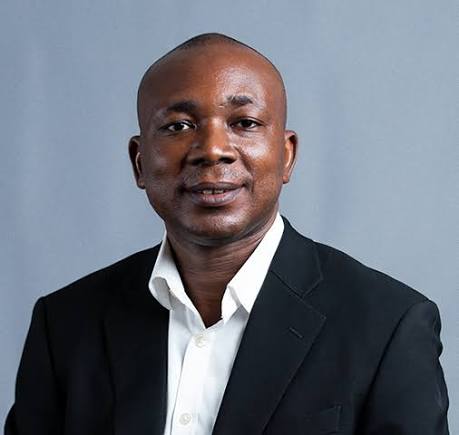
Economist Prof. Godfred Bokpin is calling for a fundamental rethink of how Ghana approaches financial education, arguing that institutions need to meet citizens on the digital platforms they already use rather than relying on occasional, one-off campaigns.
Speaking at the JoyNews-Hubtel dialogue on fraud’s impact on Ghana’s digital economy on Wednesday, Bokpin said the rapid growth of digital finance means Ghanaians now need stronger financial and digital literacy skills to protect themselves from fraud and make sound financial decisions.
“The traditional Western idea of the financial market is not for ignorant people,” he said, noting that every participant in a financial market is expected to meet some baseline level of financial literacy.
Start From Kindergarten, Not From Crisis
Bokpin was critical of Ghana’s reactive approach to financial education, where awareness efforts tend to surface only after a problem; such as a fraud wave; has already occurred. He argued for a more deliberate, long-term strategy instead.
“Sometimes we see an issue, and then we leverage on that to reach out to the people. But I think we should have an integrated approach, right from kindergarten or so, to give financial literacy,” he said.
He also warned that formal education alone no longer guarantees economic participation in today’s digital-first economy. “You can be educated, but if you are digitally illiterate, you will be successfully unemployed,” he said.
Meet People Where They Are
Beyond starting early, Bokpin pushed institutions to coordinate better and keep their messaging consistent, and, crucially, to shift more of that messaging online.
“It’s easier to find people online today than in physical locations,” he said, adding that institutions should follow that trend in how they reach the public with financial information.
He acknowledged that in-person engagement still has value, but stressed that physical presence can be deceptive in a digitally connected world. “It’s good to invest in physical contact and all of that, but sometimes people may be sitting here, and they actually present online. It’s just their body you see physically here,” he said.
Rising Fraud in a Digitising Economy
Bokpin’s remarks come against a backdrop of growing concern over fraud within Ghana’s digital financial ecosystem, as more citizens turn to mobile money, online banking, and other digital tools for everyday transactions. He believes a coordinated, well-resourced financial and digital literacy programme is essential to helping people navigate the risks that come with this shift.