NDPC Holds Validation Meeting on Draft Results Framework for the MTNDPF (2026–2029)
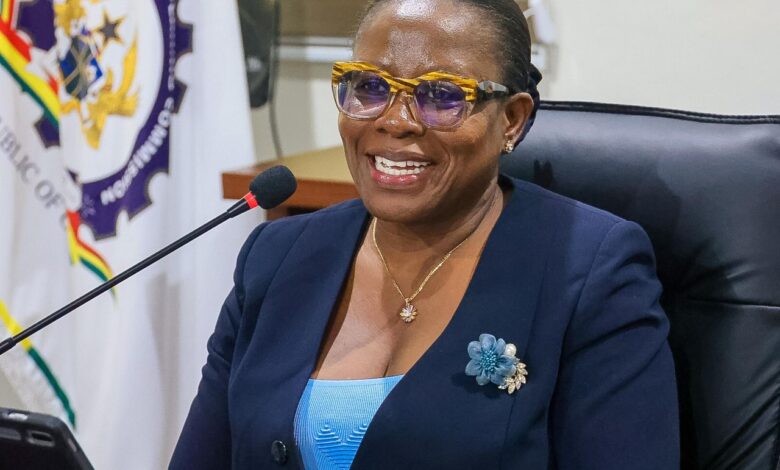
The National Development Planning Commission (NDPC), in collaboration with UNICEF, held a validation meeting on the Results Framework for the Resetting Ghana Agenda: Creating Jobs, Ensuring Accountability and Promoting Shared Prosperity Policy Framework (2026–2029), on Monday, 13 July 2026.
The meeting brought together representatives from Ministries, Departments and Agencies (MDAs), Development Partners, Academia, and Planning Professionals to review and validate the indicators, baselines, and targets that will guide assessment of Ghana’s development performance over the next four years.
In her opening remarks, the Director-General of NDPC, Dr Audrey Smock Amoah, explained that once a policy framework has been prepared, the next step is to develop a results framework to measure progress against it. “Today’s meeting is to validate the results framework that has been developed,” she said, noting that participants had been invited because of their institutions’ role in the implementation and monitoring of the framework.
Dr Amoah indicated that the exercise provide stakeholders with an opportunity to review and validate the indicators and targets that would be used to track national development performance, as well as the core indicators that all Metropolitan, Municipal and District Assemblies (MMDAs) would be required to report on. She added that institutions could continue to monitor additional indicators specific to their mandates, as reflected in the Medium-Term Development Plans they had previously submitted to the Commission for certification.
Explaining the purpose of the workshop, the Director for Monitoring and Evaluation, Mr Bright Atiase, described the results framework as “a roadmap and a scorecard” for measuring the implementation of development policies, programmes, and projects across institutions. He explained that the Commission was deliberately shifting the focus of the framework from lower-level input and output indicators to outcome and impact indicators, while retaining only those output indicators considered critical.
Mr Atiase observed that some indicators contained in previous frameworks were never measured throughout the implementation period and urged institutions not to retain indicators they lacked the capacity to track. He indicated that targets would be established against clearly defined baselines and data sources and cautioned against setting targets that were either unrealistic or too easily achieved. “Let’s set our targets as close to realistic figures as possible,” he said.
In his remarks, Dr Felix Addo-Yobo of the United Nations Children’s Fund (UNICEF) highlighted the importance of building the results framework on reliable, timely, and well-disaggregated data. Using poverty statistics as an example, he noted that national averages could conceal significant deprivation within relatively affluent areas, citing pockets of poverty in Accra. He cautioned that planning without adequately disaggregated data could result in vulnerable populations being overlooked.
UNICEF Ghana