STAR-Ghana Foundation calls for stronger government-CSO partnerships to deepen democracy and inclusive development
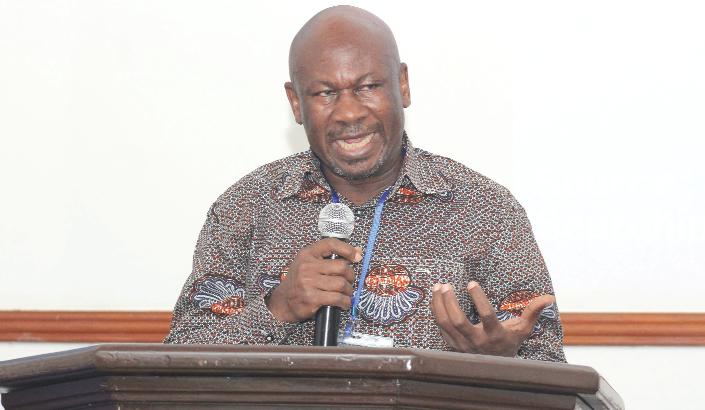
The Executive Director of the STAR-Ghana Foundation, Alhaji Ibrahim-Tanko Amidu, has called for stronger and more institutionalised partnerships between government, civil society organisations (CSOs), the private sector and citizens to safeguard Ghana’s democracy and promote inclusive national development.
Speaking at the 4th Ghana Civil Society Forum 2026 at the University of Ghana in Accra, Alhaji Amidu said the country’s democratic gains must be strengthened through sustained collaboration that places citizens at the centre of governance and development.
The forum was held under the theme, “Reimagining Partnerships for Democratic Consolidation and Inclusive Development.”
He noted that Ghana and Africa are facing a rapidly changing global environment characterised by shrinking development financing, increasing pressure on civic space, climate change, inequality and persistent youth unemployment.
“The realities confronting Ghana and Africa demand that we pause, reflect and rethink how we can respond to both longstanding and emerging challenges,” he said.
While acknowledging Ghana’s record of peaceful elections, constitutional rule and democratic stability, Alhaji Amidu warned that significant governance challenges remain.
“Many citizens, particularly young people, feel disconnected from decision-making processes, particularly in between elections. Trust in institutions remains fragile,” he said, adding that according to the Ghana Statistical Service Governance Wave Report 2025, only 12 percent of citizens believe the political system offers sufficient opportunities for citizen participation.
“The challenge before us, therefore, is not merely how to sustain democracy, but how to make democracy work effectively for all citizens of this country.”
He stressed that government alone cannot address these challenges, just as civil society cannot solve them in isolation.
“It requires meaningful and constructive partnerships between government, civil society, the private sector, traditional authorities, development partners and citizens themselves,” he said.
On development, the STAR-Ghana Foundation Executive Director argued that national progress should not be measured solely by economic growth but by how broadly its benefits are shared.
“Inclusive development remains a work in progress in our country. Our collective challenge is to ensure that development is measured not only by economic growth, but also by the extent to which every citizen can participate in and benefit from that growth.”
He said unemployment, education, inequality and barriers facing women, persons with disabilities and underserved communities continue to undermine inclusive development.
Alhaji Amidu also highlighted the vital role of civil society organisations in identifying emerging challenges, generating evidence, mobilising citizen participation and creating dialogue between communities and public institutions.
“Government collaboration with and support for civil society should therefore not be viewed as patronage. Rather, it should be understood as a strategic investment in better governance and more effective development outcomes for Ghanaians,” he stated.
With international development assistance declining, he said Ghana has an opportunity to pioneer sustainable domestic partnerships to support democratic governance and development.
Among his recommendations, Alhaji Amidu urged government to formally recognise civil society organisations as domestic development partners, giving them a seat at the table alongside traditional development partners in shaping national policies.
“I think given the role that civil society is playing, has played, and will play, we should also be recognised as development partners and invited to the table to discuss with government on how to make Ghana more sustainable and more inclusive,” he said.
He further called for greater efforts to mobilise domestic resources for development, warning that Ghana could no longer depend primarily on external donors.
“It is clear that we cannot rely on external donors to finance our development, no matter how supportive or benign these donors are,” he said.
Alhaji Amidu also recommended the institutionalisation of regular multi-stakeholder dialogue platforms at both the national and sub-national levels to strengthen collaboration among government, civil society, the private sector and citizens.