“Galamsey is an Existential Threat” – Save The Mining Community Founder Andrew Kwame Perprem Calls for Holistic Fix, Not Military Raids
Founder says root cause is big men, chiefs + corrupt officials. Urges real community mining with education + ESG focus
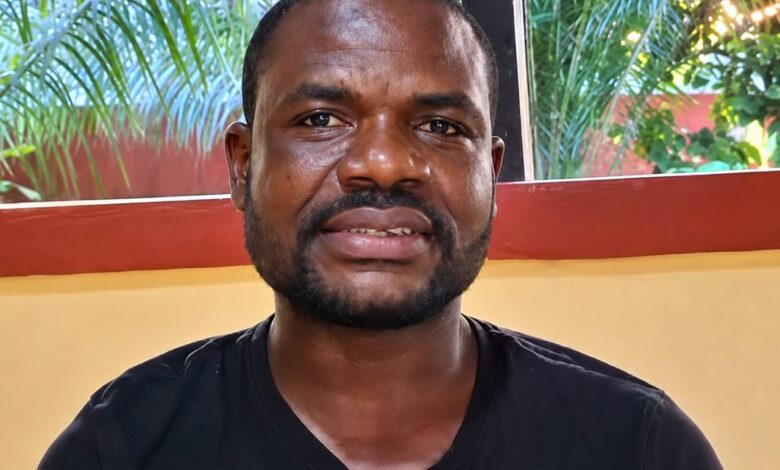
After the successful rollout of the Save The Mining Community initiative, its founder Andrews Kwame Perprem* says Ghana’s fight against galamsey is at a crossroads because the country keeps treating symptoms instead of root causes.
“We are just done with one part of the engagement, which is Save The Mining Community, which you are the brain behind. Now, let’s look at galamsey as well,” Perprem said. “Administration, a lot of measures were put in place, still we are at a crossroad. This is an existential threat, because galamsey is now supposed to even be a national security issue.”
“Military Task Forces Alone Won’t Work”
Perprem argued that militarization has failed because corruption sets in over time.
“If you continue like this, I don’t think we will ever have a solution. We know the solution. The solution is not militarization. We’ve been using the military, the police, the task forces, and it’s not working. At the earlier stages it worked, but then they are humans. They eventually become corrupt and galamsey becomes a money-making machine.”
He said security services must support the fight, but “the best approach is a holistic approach with effective monitoring and implementation.”
Root Cause: “Big Men, Chiefs + Cartel”
According to Perprem, galamsey persists because powerful people protect it.
“The root cause is people feeling ‘we are poor, we have the land, what’s beneath is for us’. But the real root cause is that there are big, big people in the country who hold positions, who have concessions, who buy excavators and have boys on the ground digging. These people cannot be touched. That’s where we have to go.”
He accused even state institutions of complicity: “GoldBod buys from galamseers. Are we encouraging galamsey? Something has to be done at the community level.”
Perprem said he witnessed it first-hand three days ago: “I was in some communities. I saw police cars. When they come, they do not ask them to stop. They come for money and they go. If we continue like this, the whole country is going to suffer.”
Water, Food + Livelihoods Destroyed
He warned of the human cost: “You cannot buy ordinary water because drinking water is polluted, so you spend money on bottled water. How many people can afford that? Go to the villages now – scarcity of food. I was so sad when I saw a suburb submerged by rain, people’s livelihoods destroyed. It’s not a hopeless situation, but if we continue to politicize it… galamsey politicians are involved, big chiefs are involved. It has become a cartel.”
The Way Forward: Real Community Mining + ESG
Perprem said the fix must empower communities and redirect youth.
“Give custodians of the land responsibility. This is your community, you must take care of it. If galamsey goes on here, you’ll be held responsible. With effective monitoring, empower them. Give subsidies, let them work with NGOs like Save The Mining Community.”
He called for education and alternatives for youth: “Look for young people already into galamsey. Ask them what they want – some want classrooms, some carpentry or handcrafts. Then you’re solving for today and the future.”
On mining itself, he pushed for “real community mining” – groups of up to 25 people, trained on Environment, Social and Governance standards. “We mine sustainably, looking at today’s generation and future generations. What’s happening today is ‘let us mine, destroy the whole community, if we die we die’. A country cannot be run like that.”
He also flagged foreign involvement: “If you go to mining communities you’ll see people from Russia, China, Turkey, Lebanon. They’re all in the galamsey chain. Ghanaians are selling, so they help destroy it.”
Bottom line from Perprem: “I think we know what to do. If we want to do it, we will be able to do it.”
The comments come as calls grow to declare galamsey a national security threat, with water bodies and farmlands across mining regions increasingly polluted.