Congo’s Tshisekedi moves closer to 3rd-term path as referendum bill clears senate
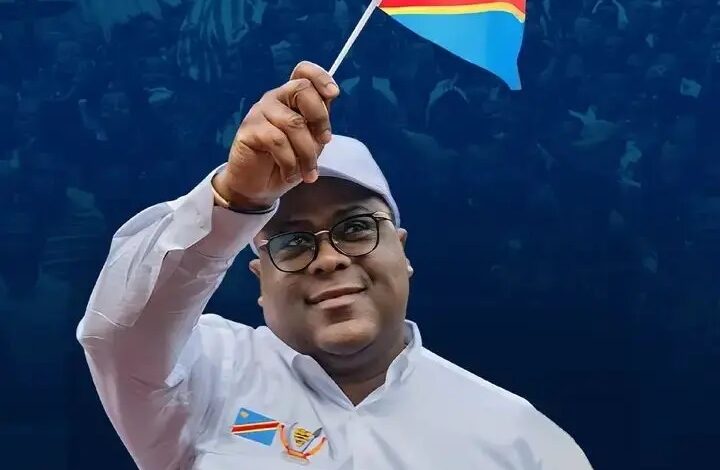
The Democratic Republic of Congo has moved closer to a potentially far-reaching constitutional debate after the Senate approved legislation outlining the procedures for national referendums, a development that could pave the way for President Félix Tshisekedi to pursue a third term in office.
The bill, backed by Tshisekedi’s parliamentary majority, arrives at a crucial moment in the country’s political landscape. While authorities describe the measure as a legal framework designed to regulate the conduct of referendums, opposition groups view it as a strategic step toward amending the constitution and altering presidential term limits.
Under the current constitution, Congolese presidents are restricted to two five-year terms. Tshisekedi, who assumed office in 2019 and won re-election in 2023, is expected to complete his final term in 2028.
However, recent comments by the President have fueled speculation about his political future. Speaking last month, Tshisekedi suggested he would be prepared to remain in office if constitutional changes were approved by citizens through a referendum.
The issue has already intensified political divisions across the country. Demonstrations held in Kinshasa on Friday turned violent as supporters and opponents of constitutional reform clashed, underscoring growing tensions surrounding the prospect of extending presidential tenure.
Several opposition members were reportedly injured during confrontations between rival groups, despite a heavy security deployment in the capital.
The developments are also drawing attention beyond Congo’s borders. Across Africa, presidential term limits remain a contentious issue, with some leaders successfully modifying constitutions to extend their rule while others have faced strong resistance from opposition parties and civil society groups determined to protect democratic principles.
Supporters of Tshisekedi argue that constitutional reform could ensure stability and continuity as the country grapples with persistent insecurity in the eastern region, economic challenges, and complex geopolitical concerns.
Opponents, however, warn that changing term-limit provisions could undermine democratic institutions and establish a precedent that may have long-term consequences beyond the current administration.
The proposed legislation will now undergo review by the Constitutional Court before being sent to President Tshisekedi for assent. If approved, the Democratic Republic of Congo could be heading toward one of the most significant constitutional and political debates in its recent history.