Lawyer Paul Twum-Barimah admonishes NDC, NPP over weaponising social media to destroy Ghana’s moral fibre
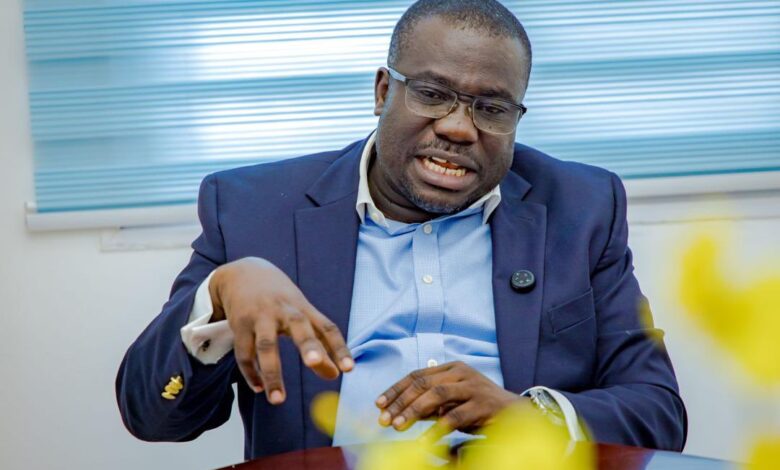
Lawyer and former Member of Parliament for Dormaa East Paul Apreku Twum Barimah has advised the two dominant political parties in the country, the governing National Democratic Congress (NDC) and the opposition New Patriotic Partyb(NPP), particularly their young members, to immediately desist from using social media as a tool for insults, propaganda, character assassination and moral destruction.
Studies on Ghana’s digital political communication indicate that online political engagement is increasingly characterised by insults, hate speech and polarising narratives, often targeting opponents in ways that undermine respect for elders and erode culturally grounded norms of civility.
In a statement, the former lawmaker emphasised that the increasing culture of political abuse, misinformation and unrestrained verbal attacks on digital platforms is gradually poisoning the conscience of the nation, weakening democratic tolerance and eroding the values upon which Ghana’s democracy was built.
Mr. Twum-Barimah lamented that social media, which was originally expected to deepen democratic participation and strengthen civic engagement, has rather become a dangerous battlefield for political hatred, tribal insults, falsehoods and coordinated attacks against political opponents with no regard for the aged or respect for Ghanaian culture.
He warned that both the NDC and NPP must accept responsibility for the toxic political atmosphere developing online, insisting that the continuous sponsorship and encouragement of abusive party foot soldiers on social media could have serious long-term consequences for national cohesion.
“The politics of insults cannot build a nation. You cannot hide behind social media and destroy people’s reputations every day, insult leaders, attack families, spread lies and expect the country to progress peacefully. At some point, we must rise above this dangerous politics of hatred,” he stated.
Mr. Twum-Barimah observed that political discourse in Ghana has deteriorated significantly over the years, particularly on platforms such as Facebook, TikTok, X (formerly Twitter), WhatsApp and YouTube, where individuals hiding behind party colours deliberately manufacture false narratives, circulate doctored videos and engage in personal attacks simply to score political points.
He noted with concern that many young people are now growing up in an environment where vulgarity, disrespect and propaganda are gradually being normalised as acceptable political behaviour. According to him, the disturbing trend is not only undermining Ghana’s democratic credentials but also damaging the moral upbringing of the younger generation.
“In recent years, we have seen respected elderly statesmen insulted publicly, judges attacked online, journalists threatened, clergy ridiculed and even traditional leaders dragged into needless political abuse. This is not the Ghana we inherited from our forefathers. Political competition should never become a licence for moral destruction,” he said.
The former legislator criticised “the growing culture where political communicators deliberately provoke tensions online to gain popularity and attract followers.” He argued that some social media activists have turned insults into a profession, monetising political confusion while contributing nothing meaningful to national development.
Without mentioning names, Mr. Twum-Barimah pointed to several instances in recent political history where online propaganda and misinformation nearly inflamed tensions during elections and major national controversies. He said false election claims, manipulated videos, tribal commentary and coordinated online attacks have repeatedly heightened political mistrust between supporters of the country’s two major political parties.
According to him, Ghana must be careful not to allow social media recklessness to destroy the peaceful democratic reputation the country has built over the years within Africa and the international community. He further warned that the persistent political toxicity on social media is gradually discouraging decent and intelligent people from actively participating in national discourse.
“Many educated and responsible citizens are now afraid to even express opinions publicly because the moment you speak, political extremists descend on you with insults, propaganda and threats. That is dangerous for democracy because when decent voices go silent, extremists take over the national conversation,” he further stated.
Mr. Twum-Barimah also challenged leaders of both the NDC and NPP to demonstrate stronger moral leadership by publicly condemning supporters who engage in abusive conduct online. He insisted that political leaders cannot claim innocence while benefiting from the propaganda machinery created by their supporters.
According to him, silence from political leadership often emboldens reckless activists who believe they are acting in the interest of their parties. He urged political parties to invest more in issue-based campaigning and intellectual political engagement rather than reducing national politics to insults and emotional manipulation.
The lawyer further called on parents, religious institutions, schools and civil society organisations to play active roles in restoring discipline and ethical communication within the political space. He emphasised that the responsibility of protecting Ghana’s democratic culture cannot be left to politicians alone.
“Democracy survives on respect, tolerance and truth. The moment lies, insults and hatred become the foundation of politics, society itself begins to decay,” he stressed further.