Journalism Under Siege: ‘Anyone With a Phone Now Claims to Be a Journalist’ — PNA Communications Director Raises Alarm
Story: Maurice Otoo
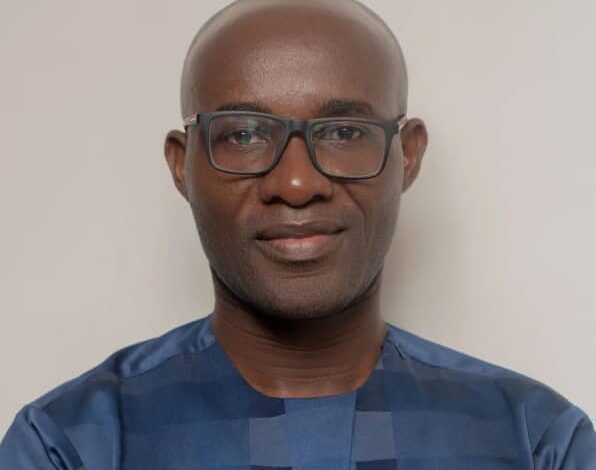
Clement Akoloh, Communications Director of the PNA, has raised serious concerns over what he describes as the growing erosion of standards within the journalism profession, warning that the space is increasingly being exploited by untrained individuals and opportunistic actors.
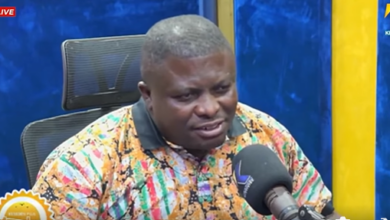
Speaking on the state of the media at Kessben TV’s Digest show, Akoloh emphasized that journalism, often referred to as the fourth estate of governance, plays a critical role in safeguarding democracy and holding power to accountability.
However, he lamented that the profession is no longer being adequately protected.
According to him, “nobody can just jump into journalism without proper training,” stressing that the influx of unqualified individuals into the media landscape is undermining credibility and professionalism.
Akoloh pointed to poor remuneration as a key driver of unethical practices within the industry. He explained that financial struggles among journalists have made some susceptible to inducement, creating an environment where politicians can easily manipulate media narratives for their own benefit.
“Those who pioneered the profession did not focus on personal gain, but today, survival has forced some into compromising situations,” he noted.
He further criticized what he termed the glorification of the “coffee shop mafia” , informal networks that allegedly influence media discourse , arguing that such trends have emboldened politicians to exploit the system for political advantage.
“Politicians are naturally opportunistic. They will always take advantage of any gap, especially when they need followers,” Akoloh said.
The PNA Communications Director also took a swipe at the rise of bloggers, suggesting that the digital age has worsened the situation. He argued that the ease of access to smartphones and the internet has blurred the line between professional journalism and unverified content creation.
“In this era, anyone with an Android phone can publish information online and claim to be a journalist,” he lamented.
Akolo called on the Ghana Journalists Association (GJA) to step up its regulatory and educational role by engaging media outlets and grooming practitioners to uphold ethical standards.
He concluded with a call for reforms aimed at restoring integrity in the media, warning that failure to act could further weaken public trust in journalism.