GCPP General Secretary Calls for Long-Term Energy Reforms Amid Ghana’s Power Crisis
Story: Maurice Otoo
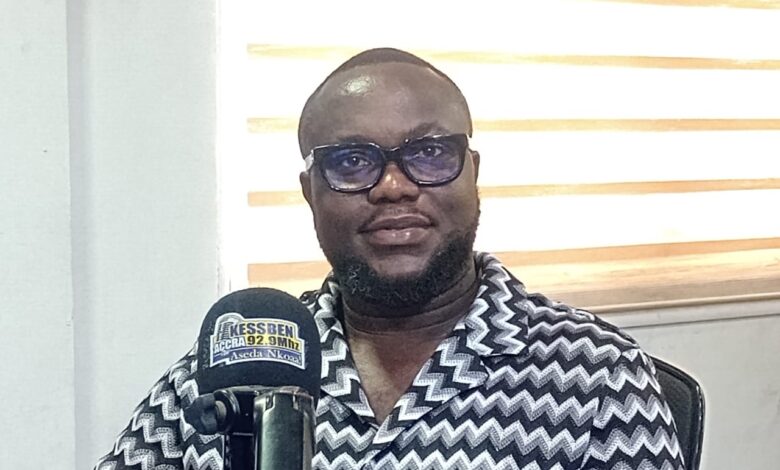
General Secretary of the Great Consolidated Popular Party, Citizen Ato Dadzie, has called for strategic reforms in Ghana’s energy sector, stressing the need for long-term planning and sustainable investment to address the country’s recurring power challenges.
Speaking on Kessben Maakye, Ato Dadzie noted that power supply issues have remained a persistent challenge in Ghana over the years, emphasizing that the country must move beyond short-term solutions.
According to him, Ghana’s energy vision dates back to the era of Kwame Nkrumah, whose construction of the Akosombo Dam was intended not only for domestic and industrial consumption but also for electricity export.
He argued that Ghana has failed to fully build on that vision, especially as global energy trends continue to evolve.
Ato Dadzie recalled that when Dan Lartey advocated for electric vehicles and renewable energy alternatives years ago, many dismissed the ideas. However, he noted that several countries have since embraced cheaper and more sustainable sources of energy.
He criticized Ghana’s continued reliance on costly energy options, particularly the country’s overdependence on hydroelectric power.
“Our overdependence on hydroelectric energy is a major problem. When water levels rise or fall, it affects supply and creates challenges for the whole system,” he stated.
The GCPP General Secretary further expressed concern over poor maintenance and management of investments in the energy sector.
He said Ghana often adopts a reactive approach instead of proactively planning for future energy demands, leading to unnecessary expenditure.
“We do not sustain the investments we make in the energy sector. We need better managers of these institutions, and we must become proactive rather than reactive,” he stressed.
Ato Dadzie proposed the introduction of binding legal frameworks to protect and sustain investments made in the country’s energy infrastructure.
He believes such measures would ensure continuity, accountability, and long-term stability in Ghana’s power sector.
His remarks come at a time when discussions around Ghana’s energy reliability and the need for diversification continue to dominate national conversations.