Galamsey forces Church of Pentecost to abandon river baptisms
Chairman of the Church of Pentecost, Apostle Eric Nyamekye, has raised alarm over the continued destruction of Ghana’s water bodies through illegal mining, popularly known as galamsey. Ghanasports news
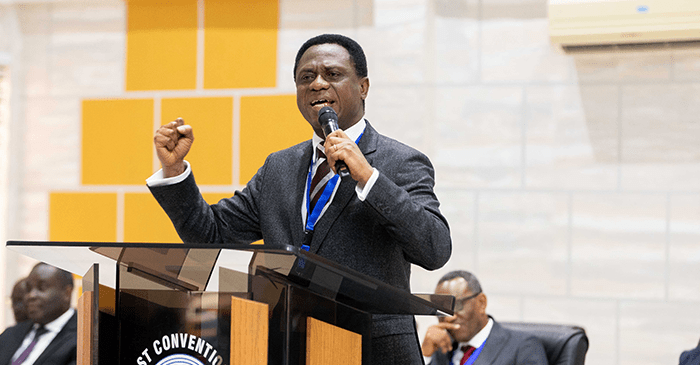
Chairman of the Church of Pentecost, Apostle Eric Nyamekye, has raised alarm over the continued destruction of Ghana’s water bodies through illegal mining, popularly known as galamsey.
Delivering the State of the Church Address at the 48th General Conference on Wednesday, April 22, he said the pollution of rivers and streams is directly disrupting key church practices, including water baptism in affected mining communities.
“The extensive pollution of water bodies due to illegal mining has hampered traditional water baptism in some mining communities, necessitating a shift to synthetic rubber pools in several districts to carry out the ordinance,” he stated.
Apostle Nyamekye further warned that environmental degradation is increasingly undermining the livelihoods of members of the Church, particularly those in agriculture and fishing.
He noted that erratic rainfall patterns, declining cocoa yields, and the seasonal movement of fish stocks are destabilising local economies and affecting the financial stability of church assemblies.
“These unpredictable environmental conditions, along with the seasonal migration of fish stocks, continue to impact the steady financial growth and stability of affected local assemblies,” he said.
Despite these challenges, he stressed that the Church is expanding its social and evangelistic impact.
By the end of 2025, the Church of Pentecost had established skills development centres in Bolgatanga in the Upper East Region and Essam in the Western North Region, offering vocational training to young people.
It has also supported master craftsmen to train apprentices as part of efforts to tackle unemployment.
In addition, the Church has initiated, completed, and handed over several health facilities, prison camps, and other infrastructure projects to the state as part of its broader social interventions.
CitiNewsRoom