NDC Government Has Not Done Anything Extraordinary Under IMF Programme – Economist George Domfeh
Story: Maurice Otoo
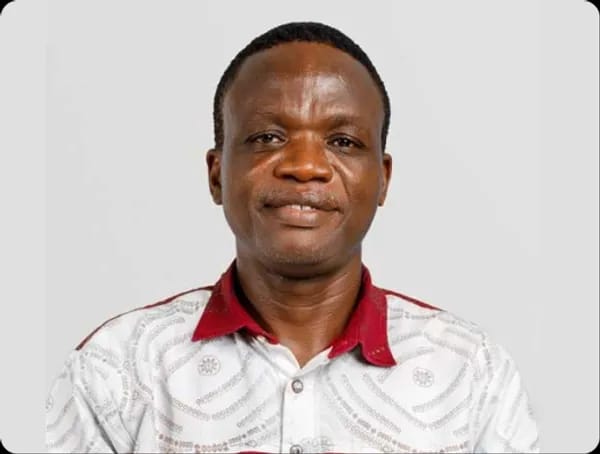
Economist Dr. George Domfeh has dismissed claims that the current government has made unprecedented gains under Ghana’s ongoing International Monetary Fund (IMF) programme, insisting that similar or even better fiscal outcomes have been achieved in the past.
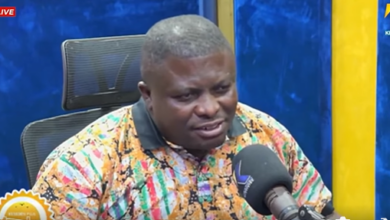
Speaking on Kessben TV’s Digest, with Nana Frimpong Ziega, Dr. Domfeh noted that Ghana’s repeated reliance on the IMF—about 17 times—reflects a long-standing structural weakness in the economy, particularly its heavy dependence on imports.
According to him, attaining fiscal discipline under an IMF programme is not new, contrary to narratives suggesting otherwise.
“When Ghana went to the IMF in 2015, our primary balance was negative. In 2016, it was still negative. But for the first time in about 15 years, Ghana attained a primary surplus in 2017,” he explained.
He added that the New Patriotic Party (NPP) government maintained primary surpluses in 2017, 2018, and 2019 before the COVID-19 pandemic disrupted the trend.
Dr. Domfeh argued that it is misleading to suggest that the current administration has done anything exceptional in managing the economy under the IMF programme.
“It is not true that this government has done anything special in growing the economy,” he stressed.
The economist further revealed his involvement in shaping past IMF programme targets, stating that he was consulted by the Finance Ministry during the NPP era to help draft 16 quantitative performance criteria under the programme.
He said the programme was designed to run for 36 months and is expected to conclude next month, May 2026.
Dr. Domfeh also rejected claims that the previous government failed to meet IMF targets, indicating that Ghana had been recognized internationally for its performance.
“The IMF invited me in October 2023 to Marrakech, where Ghana was pronounced as one of the countries that had performed creditably even within five months,” he disclosed.
On currency stability, he criticised the Bank of Ghana’s interventions to support the cedi, describing them as unsustainable.
“Supporting the cedi with the dollar is not new. What the Bank of Ghana is doing is artificial,” he said.
He maintained that long-term currency stability can only be achieved through increased exports and reduced import dependence.
“Government is not exporting more to stabilise the cedi, nor is it manufacturing enough goods to cut down importation,” he concluded.
Dr. Domfeh’s comments add to the ongoing national debate over Ghana’s economic management and the effectiveness of IMF-backed reforms under the current NDC administration.