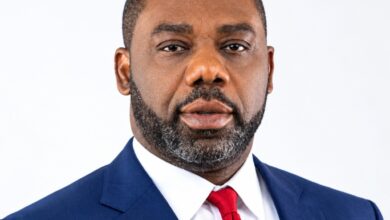
Dr. Peter Tekpeh has called for a measured and strategic implementation of the proposed 24-hour economy policy, stressing that while the concept holds promise, it must be executed with caution to avoid past challenges associated with rushed initiatives.
In a zoom interview on Kessben TV’s Digest with Nana Frimpong Ziega, he said, most manifesto promises are often designed around popular public concerns, and the 24-hour economy is no exception. However, he noted that such policies must go beyond political appeal and be grounded in practical and sustainable planning.
“The 24-hour economy is natural in concept, but it must be carefully implemented,” he stated.
Drawing a comparison with the Free Senior High School (Free SHS) policy, Dr. Tekpeh observed that although Free SHS was a good initiative, its rushed implementation created avoidable difficulties. He said lessons from that experience should guide the rollout of the new economic model.
He pointed out that the Tema Harbour, Driver and Vehicle Licensing Authority (DVLA) and some other institutions are already operating aspects of a 24-hour system, describing it as a positive example of how the concept can work effectively when properly structured.
Dr. Tekpeh expressed satisfaction that authorities appear to be taking their time to plan the policy before full implementation.
He urged Ghanaians, particularly businesses, to examine the opportunities within the policy and take advantage of them rather than dismissing it as a partisan agenda. “We often think it is a party manifesto and refuse to align with it, but businesses must assess what is in it for them and benefit from it,” he said.
He emphasized that the 24-hour economy should not be seen as a compulsory arrangement that forces all businesses to operate around the clock. Instead, he described it as an opportunity for enterprises to expand operations and increase productivity where feasible.
Dr. Tekpeh concluded that with proper planning and broad stakeholder participation, the policy could drive growth and create sustainable economic opportunities.